
Cove is actively dedicating resources to make our site, and our community, more accessible. While we make changes, if you need any assistance accessing the information on this site, please contact us at 855.268.3669 or support@covesmart.com. For those who are deaf or hard of hearing or who do not use voice channels to communicate, please contact us via email or via 711 or other relay services. If you have any feedback or suggestions as to how we could improve the accessibility of our website, please contact us at accessibility@covesmart.com. Please be aware that our site may contain links to other websites, the accessibility of which is not under our control. Please contact us if you run into any difficulties with these sites, and we will do our best to help you.
Accessibility


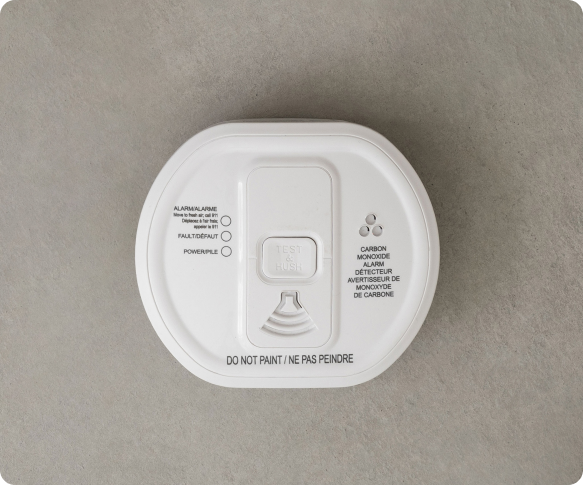
Carbon monoxide is an odorless, tasteless, poisonous gas used to power many household items. Sometimes, those items can become faulty and leak CO into the air. Known as the “silent killer,” if carbon monoxide leaks unchecked, it can permeate homes without warning and be lethal to anyone inside.
Tragically, more than 400 Americans die from unintentional CO poisoning not linked to fires, more than 100,000 visit the emergency room, and more than 14,000 are hospitalized, according to the CDC.
That’s why it’s so crucial homeowners install carbon monoxide alarms. By installing and maintaining CO detectors in your home, you can protect your family from this preventable danger. In this article, we’ll explore what you need to know when purchasing carbon monoxide alarms for your home.

Why You Need Carbon Monoxide Detectors
Carbon monoxide poisoning is a leading cause of gas-related deaths in the United States. A CO detector acts as an early warning system, allowing for evacuation before CO levels reach lethal levels.
CO can originate from various sources, including fuel-burning appliances and electrical equipment. Proper maintenance and usage of these items are critical to mitigating CO risks. Symptoms of CO poisoning vary from dizziness to unconsciousness. If symptoms arise, immediate evacuation and medical assistance are necessary. Infants, the elderly, people with chronic heart disease, anemia, or breathing problems are more likely to get sick from CO, according to the CDC.
Factors such as battery life, reliability, and compatibility with existing systems should influence your purchasing decision. Opting for combination sensors offers comprehensive protection against CO, smoke, and fire threats.
How Carbon Monoxide Sensors Work
A carbon monoxide sensor is a compact device mounted on walls or ceilings, designed to sound an alarm upon detecting the presence of CO gas. These sensors come in various models, offering different features based on budget and preferences. Although features may differ, most CO sensors include:
- A test button
- Power source (wires or batteries)
- CO detection chamber
- LED indicator lights
- Microchip for functionality
- CO sensor (with varying detection mechanisms)
Functioning similarly to fire alarms, CO detectors detect CO rather than smoke. Using a silicon microchip, these devices measure CO concentrations and emit alarms accordingly, meeting safety standards set by regulatory bodies.
Types of Carbon Monoxide Sensors
- Biomimetic sensors: Replicate CO's effects on blood, using CO-absorbing gel to trigger alarms upon exposure.
- Electromechanical sensors: Measure CO-induced electrical current changes using electrodes and a chemical solution.
- Metal oxide semiconductors: Utilize silica chips to trigger alarms upon CO contact with the circuitry.
Placement and Alarm Patterns of Carbon Monoxide Alarms
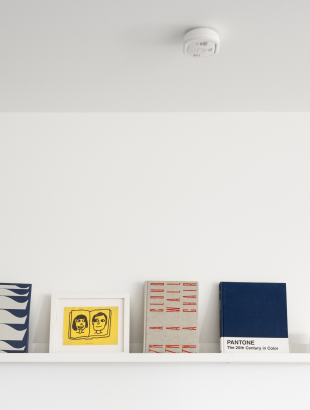
For optimal detection, install CO alarms on ceilings or high on walls, as CO is lighter than air and tends to accumulate at higher levels. Follow NFPA guidelines for placement, ensuring coverage on every level and near sleeping areas.
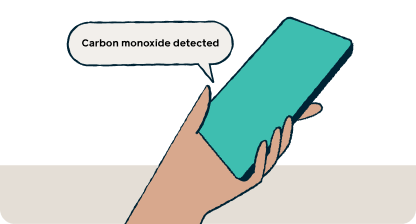
Familiarize yourself with alarm beep patterns to distinguish between low battery alerts and actual CO presence. Replace detectors every 5 to 7 years and batteries every six months for wireless models.
Stay Extra Safe with Cove
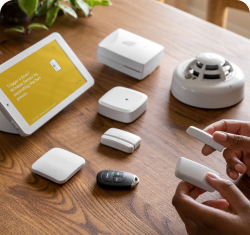
At Cove, we believe everyone deserves to feel safe. Our security systems include everything you need, from security cameras, window and door sensors, smoke detectors, water leak detectors, glass break detectors, and more.
Plus, Cove offers carbon monoxide detectors. Simply add them to your Cove home security system to stay extra safe.
By having CO detectors as part of your home security system, you can keep tabs on possible leaks no matter where you are. Out of town or at work? Your Cove Connect app will let you know at the first sign of a CO leak. What if you're not available? If you don't respond to Cove's alerts, we'll call emergency services to check your home.
Ready to give Cove a try? Click below to take our quiz and build your customized system personalized for your space. Be sure to add carbon monoxide detectors to ensure the safety of everyone in your home.
Ready to get started?
Take this short quiz to build your customized system today!
Takes less than a minute