
Cove is actively dedicating resources to make our site, and our community, more accessible. While we make changes, if you need any assistance accessing the information on this site, please contact us at 855.268.3669 or support@covesmart.com. For those who are deaf or hard of hearing or who do not use voice channels to communicate, please contact us via email or via 711 or other relay services. If you have any feedback or suggestions as to how we could improve the accessibility of our website, please contact us at accessibility@covesmart.com. Please be aware that our site may contain links to other websites, the accessibility of which is not under our control. Please contact us if you run into any difficulties with these sites, and we will do our best to help you.
AccessibilityFamily Safety
Best Practices to Prevent Senior Falling Accidents at Home
Posted October 24, 2023 by Cove


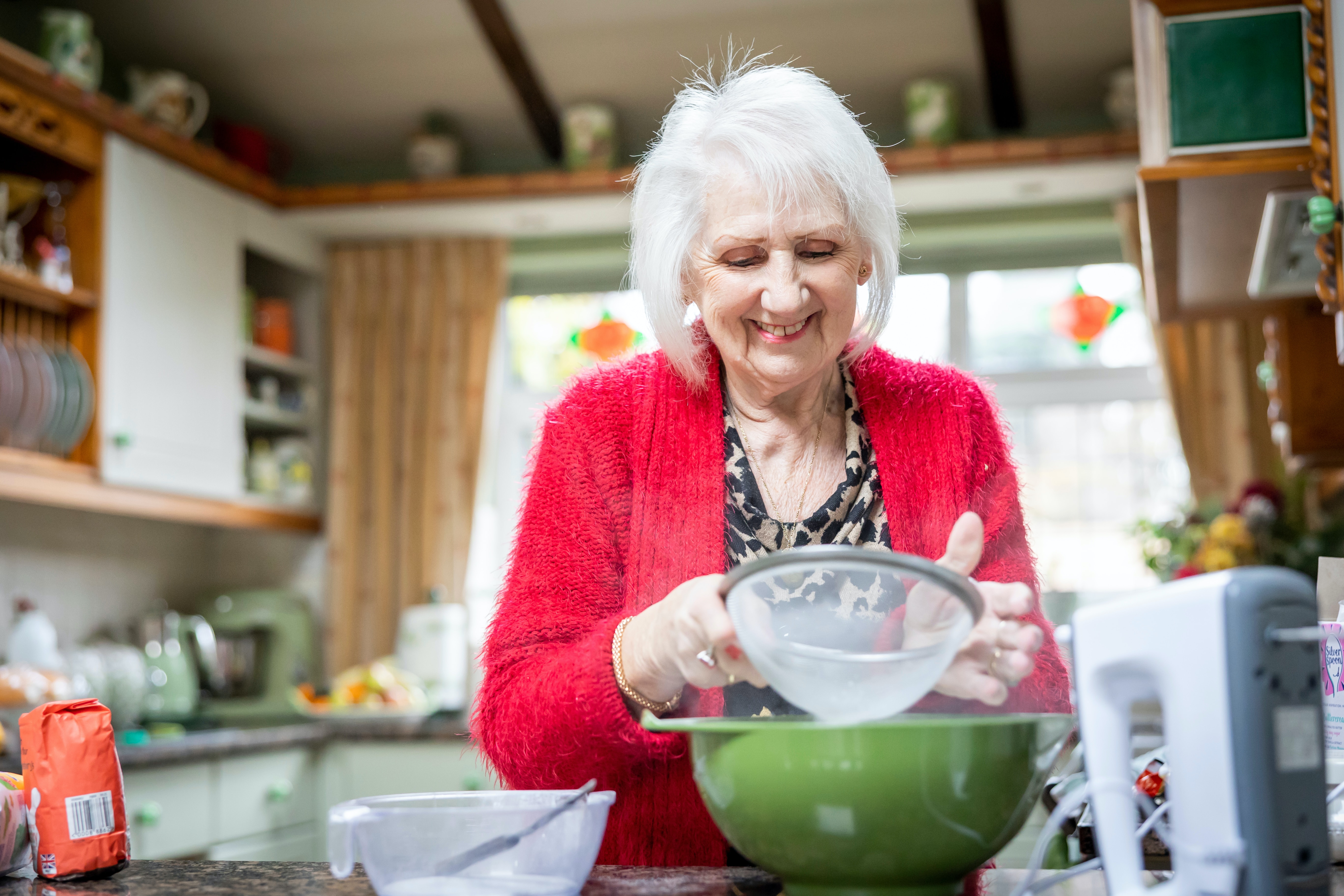
The older we get, the more our balance and eyesight diminish, which can unfortunately put us at increased risk for falling. These incidents can lead to severe consequences, including fractures, head injuries, and even long-term disability. Since most seniors spend the majority of their time at home, most senior falling incidents occur at their place of residence.
The good news is that many of these accidents are preventable through awareness, proactive measures, and safety precautions. In this article, we will discuss some of the best practices to prevent falling accidents at home and create a safer living environment for you and your loved ones.
According to the Centers for Disease Control, every year, 3 million older people are treated in emergency departments for fall injuries. One in five falls results in a serious injury such as broken bones or a head injury. And about 800,000 are hospitalized annually, most for head injury or hip fracture.
Why Seniors Fall
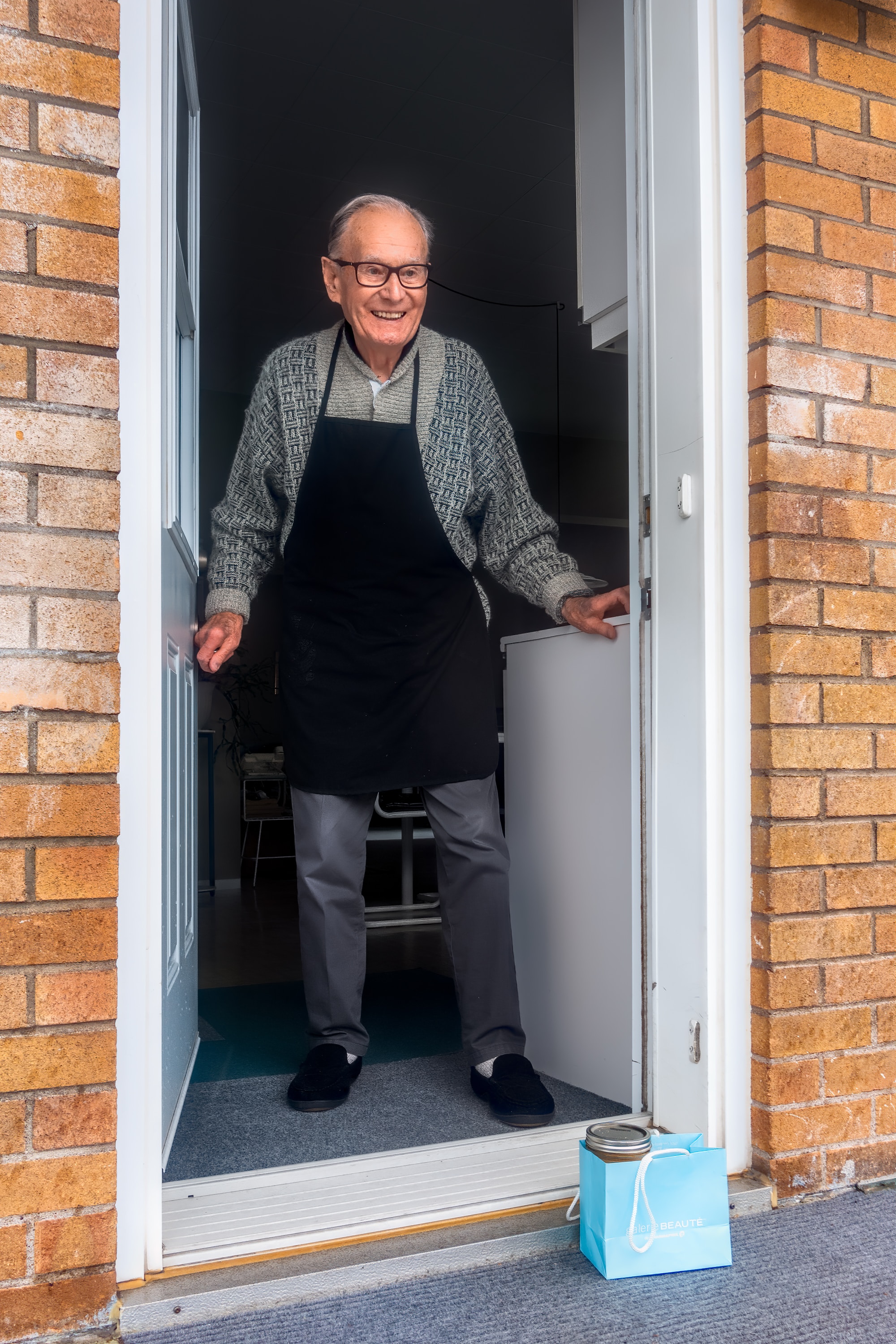
Through the natural process of aging, our joints, bones, and muscles weaken. That means things we used to take for granted, such as walking, climbing stairs, or bending over, are harder to accomplish. Seniors tend to have lower body weakness, making falls much more likely.
Some older people also have a vitamin D deficiency. According to the National Institutes of Health, having low levels of vitamin D also decreases the bone mineral density and the strength of the bones, hence increasing the chances of instability and increasing the chances of falls.
Balance can also be affected by certain prescription drugs. If you take medications such as sedatives, tranquilizers, antidepressants, or even some over-the-counter meds, they can affect how steady you are while standing or walking.
If you suffer from foot pain, you are likely at a higher risk of falling. And if you wear shoes that aren’t the best choice for your particular feet, you could also be a fall risk.
Another culprit for falling can be vision problems. Aging causes eyes to weaken, and some seniors even develop cataracts or macular degeneration, which can block or cloud vision. If you can’t see as well, you may misstep or trip over something you didn’t realize was there.
Finally, sometimes what’s going on around our house can cause seniors to fall. Things like uneven steps, rugs, other items, etc. Usually, falls are a result of more than one factor. That’s why it’s so important to be proactive in lowering your risk.
Talk to Your Primary Care Physician
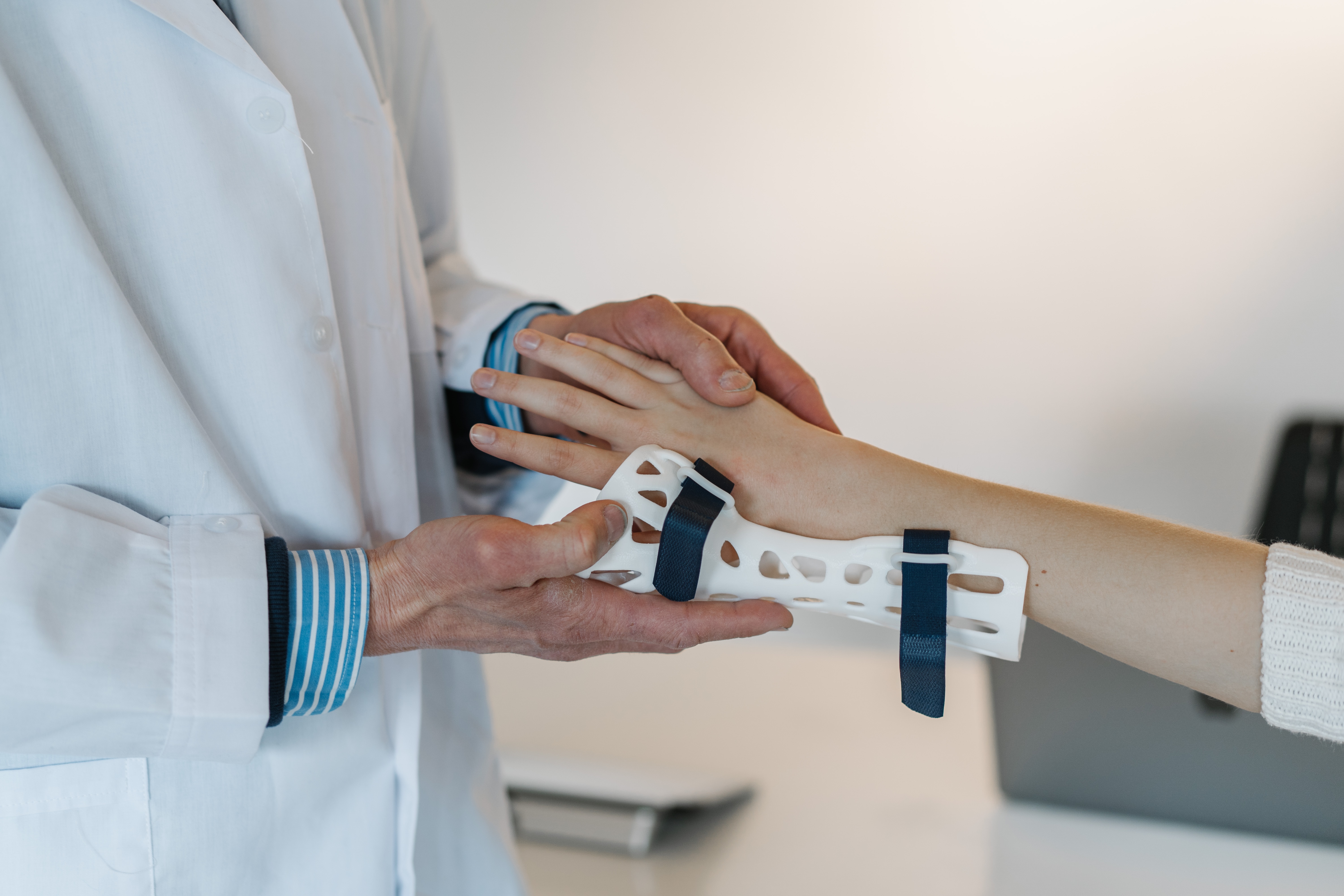
The number one thing you should do to help prevent fall risk is to talk to your doctor. Your health care provider can talk to you about potential risks and what measures you can take to make you and your home safer. Ask your doctor about your concerns, bring a list of your medications for them to review, and ask if you need to be taking a vitamin D supplement.
Since your doctor knows your medical history, they are your best resource for proactively working to implement measures to prevent potential fall risks.
Visit Your Eye Doctor
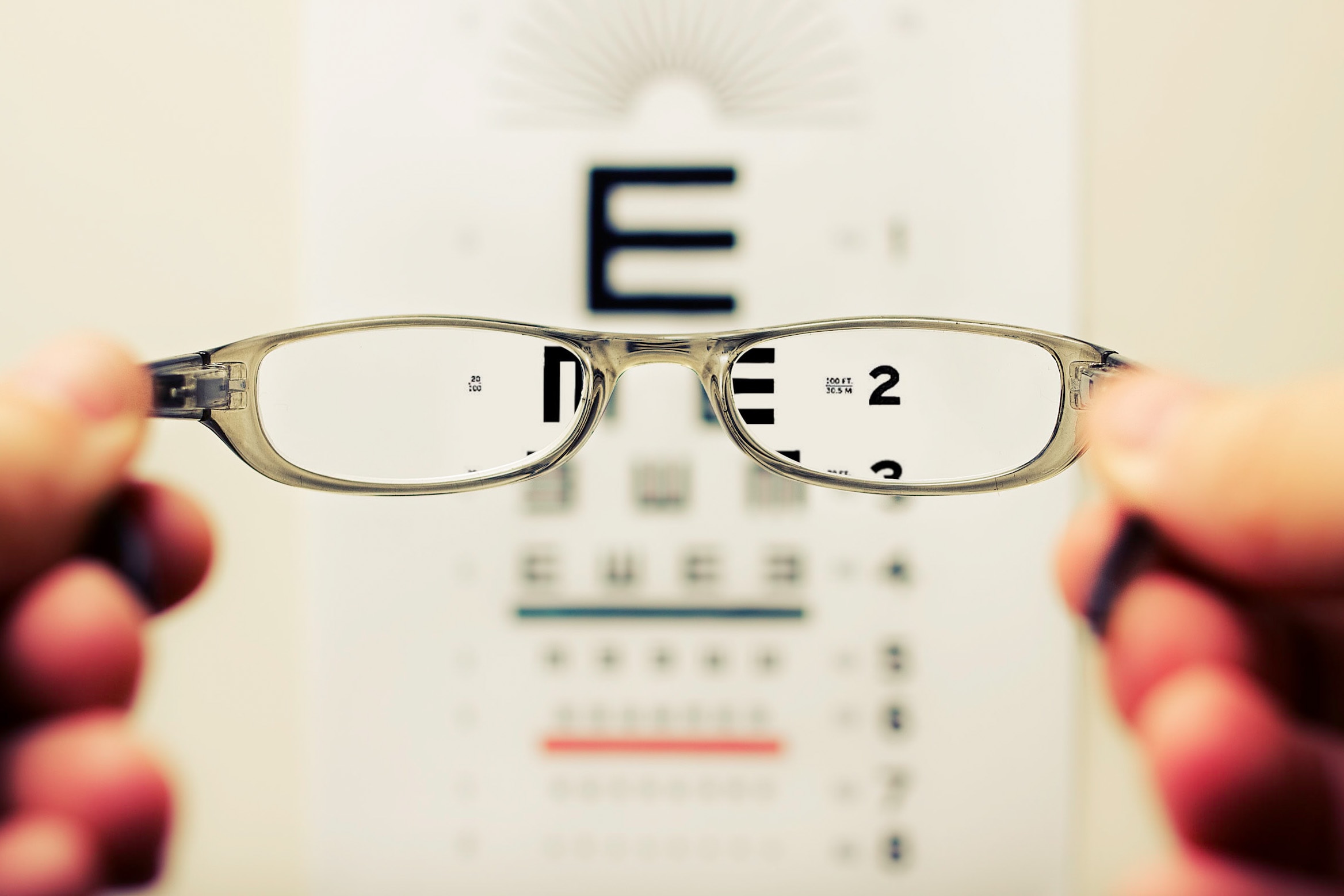
When was the last time you had your eyes checked? If it’s been more than one year, give your eye doctor a call. This is especially important as you age, since your eyes can weaken or develop issues that can impair your vision. Your eye doctor can double check your sight as well as eye health, and prescribe glasses that can help you see clearer. Maybe you need bifocals? That way you can see far away and up close.
Strengthen Your Body
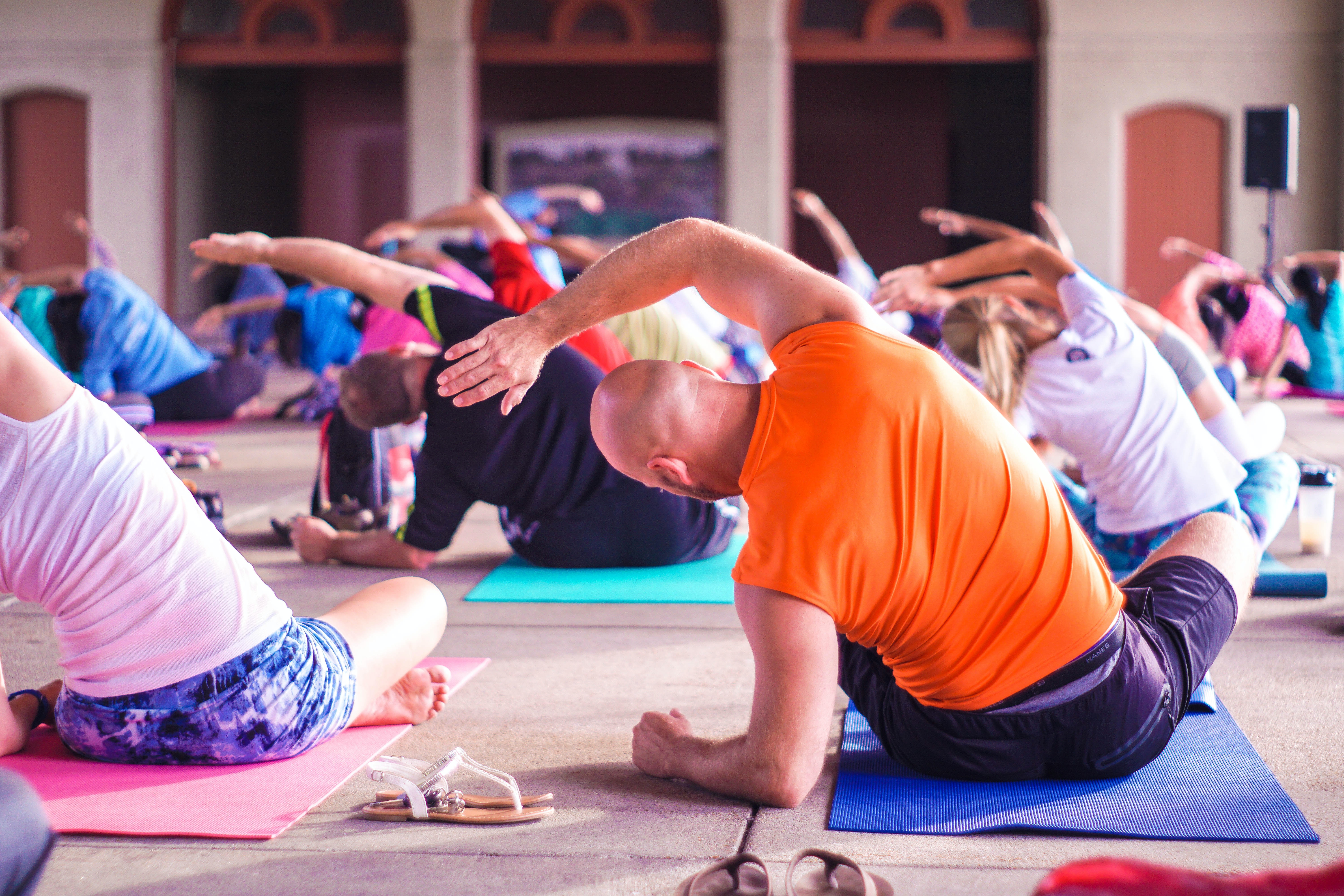
No matter your age, there are strength and balance exercises you can do that can help make your legs stronger and improve your balance. Basic stretches, yoga, or even tai chi can be modified to fit your skill and strength level. Exercise bands or small weights are a great way to strength train. Talk to your doctor about possibly meeting with a physical therapist. You may also find that there are free senior exercise classes in your area.
While you’re working out or even just walking around your home, always wear safe footwear. Look for shoes with non-slip soles and a snug fit. Don’t walk around your home with only socks, as they don’t grip well on hard flooring.
Make Your Home as Safe as Possible
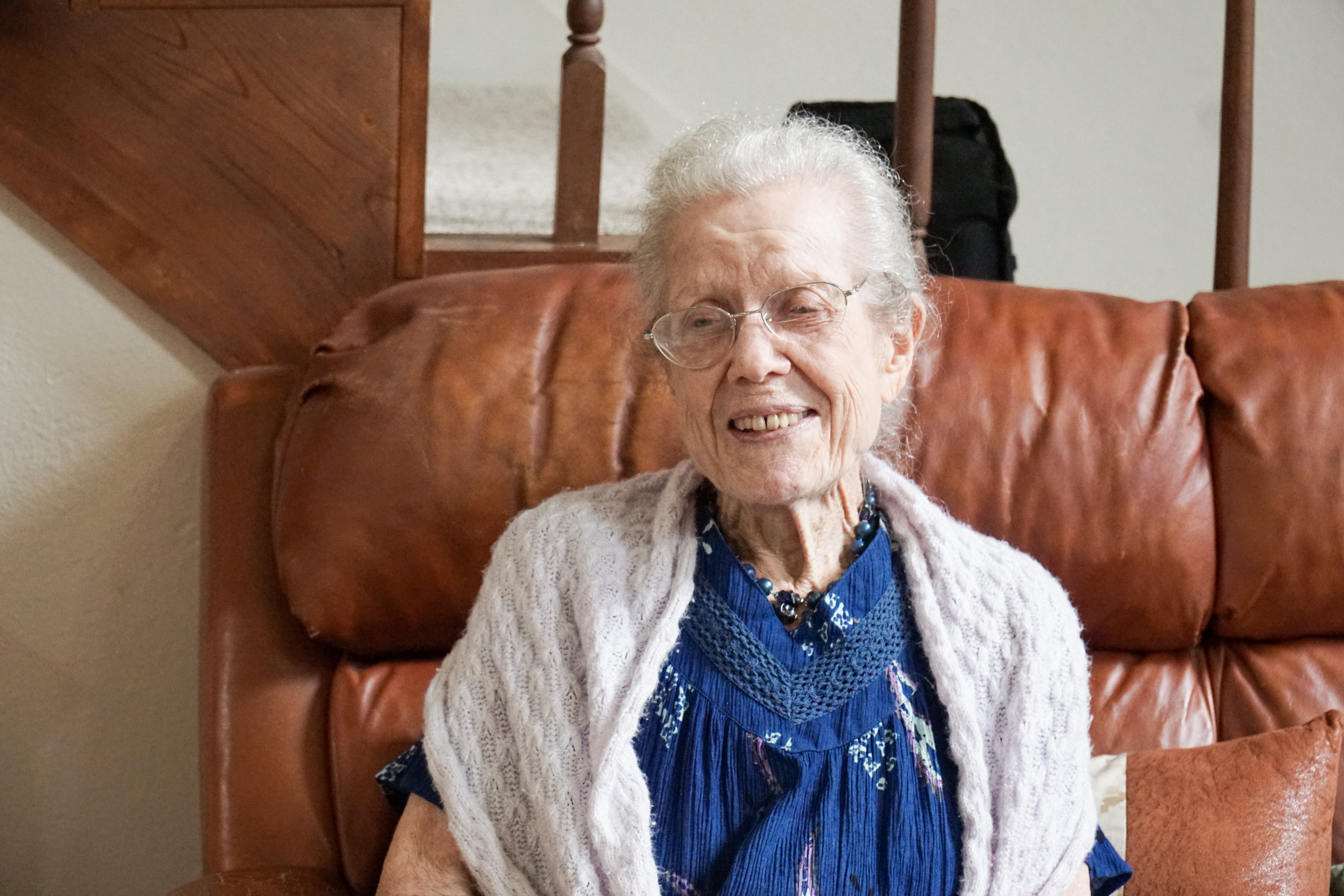
Since most fall accidents happen at home, it’s vital to pay attention to potential risks there. Here are some tips to make your home as safe as possible.
-
Remove Clutter. Clear walkways, hallways, and common areas of clutter. Keep floors and stairs free from potential tripping hazards.
-
Secure Rugs and Carpets. Secure these floor coverings with non-slip rug pads or double-sided tape. Alternatively, consider removing them altogether, especially if they are not necessary.
-
Adequate Lighting. Install bright, energy-efficient LED or CFL bulbs to ensure well-lit spaces, particularly in high-traffic areas, hallways, and staircases. Motion-activated lights can be a helpful addition to enhance safety, as they automatically illuminate when someone enters a room.
-
Install Handrails and Grab Bars. For those with mobility issues, handrails and grab bars are essential safety features, especially in bathrooms and along staircases. Ensure they are securely anchored to the wall and are at the appropriate height for maximum support.
-
Non-Slip Flooring. Consider using non-slip flooring in bathrooms and kitchens where water and spills are more common. These types of surfaces can provide better traction, reducing the risk of slips and falls.
-
Stair Safety. Stairs are high-risk areas for falls. To make them safer, ensure that there are handrails on both sides, well-maintained steps, and good lighting. Also, consider installing contrasting strips on the edges of each step to make them more visible.
-
Regular Home Maintenance. Maintaining your home is a critical aspect of fall prevention. Fix loose floorboards, uneven sidewalks, and any other potential hazards promptly. Regularly inspect handrails, stairs, and other safety features for stability and durability.
Your Best Safety Measure: Medical Alert Pendant
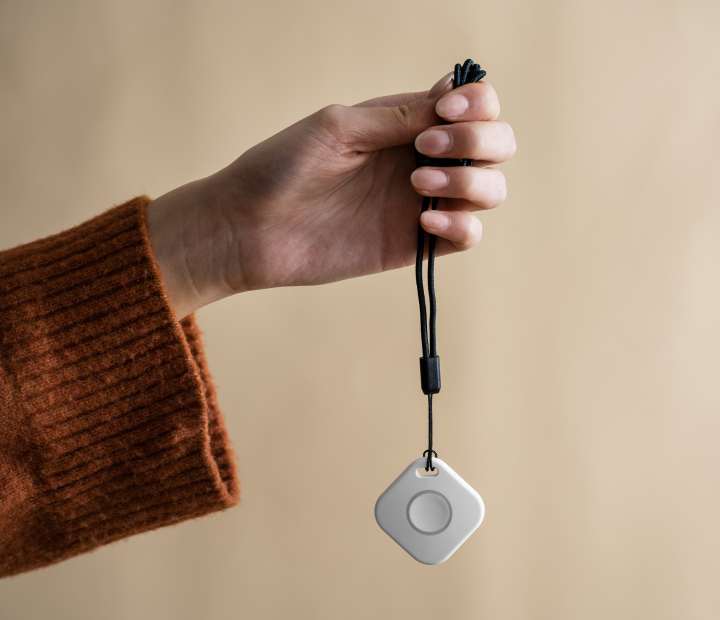
Despite your best efforts to follow these prevention measures, a fall could still happen. That’s why your best safety measure is to wear a medical alert pendant from Cove.
For anyone needing immediate medical assistance, such as an elderly person at home, a medical alert pendant can give you peace of mind knowing they have quick access to help whenever they need it.
Using Cove’s 24/7 professionally monitored home security system, all a person needs to do is wear it like a necklace, then press and hold the button for 2 seconds and the authorities will be on their way. Using RapidSOS technology, Cove digitally sends your information to authorities, saving precious minutes.
Preventing falling accidents at home is a shared responsibility that involves awareness, preparation, and regular maintenance. By following these best practices, you can create a safer living environment for yourself and your loved ones. Remember that proactive measures can significantly reduce the risk of falls, providing peace of mind and ensuring a comfortable and secure home.
Ready to get started?
Take this short quiz to build your customized system today!
Takes less than a minute