
Cove is actively dedicating resources to make our site, and our community, more accessible. While we make changes, if you need any assistance accessing the information on this site, please contact us at 855.268.3669 or support@covesmart.com. For those who are deaf or hard of hearing or who do not use voice channels to communicate, please contact us via email or via 711 or other relay services. If you have any feedback or suggestions as to how we could improve the accessibility of our website, please contact us at accessibility@covesmart.com. Please be aware that our site may contain links to other websites, the accessibility of which is not under our control. Please contact us if you run into any difficulties with these sites, and we will do our best to help you.
Accessibility


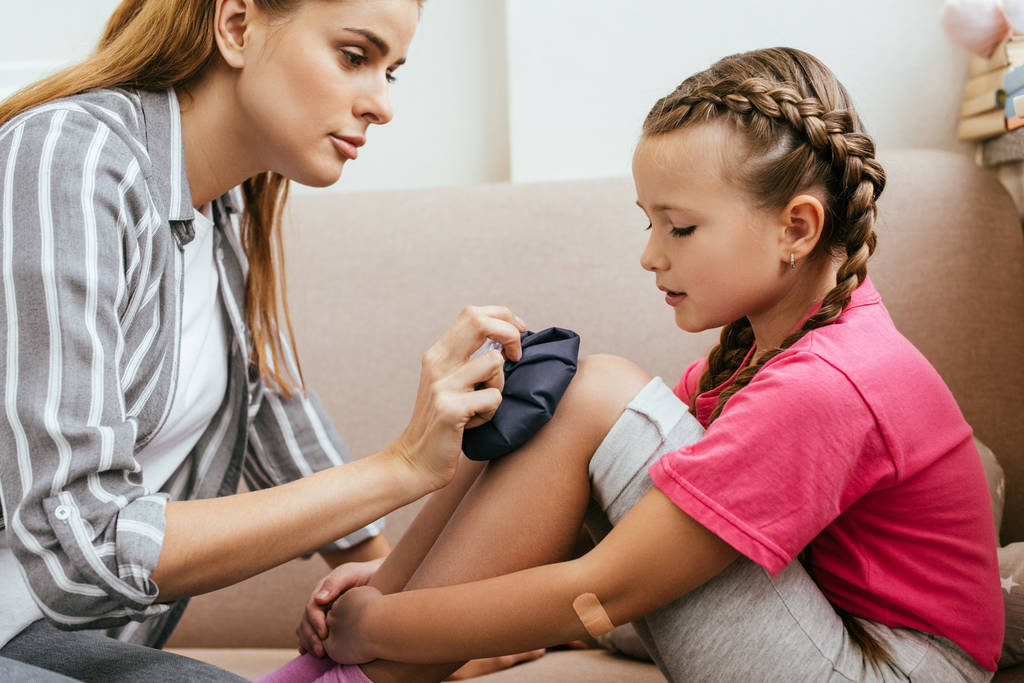
Accidents tend to happen most often at home. Why? That’s where we spend the most time. When it comes to bumps and bruises to scrapes and burns, accidents are going to happen. From the minor to the major incidents, it’s best to be prepared with everything you need to make for the best possible outcome. In this article, we will discuss the essential first aid skills and supplies you should have on hand to ensure the safety and well-being of your family.
First Aid Skills
Remember those first aid classes you had to take in school or as part summer camp? Neither do we. If it’s been a while since you’ve had any first aid certification, be sure to refresh your knowledge so you’re always prepared when an emergency hits.
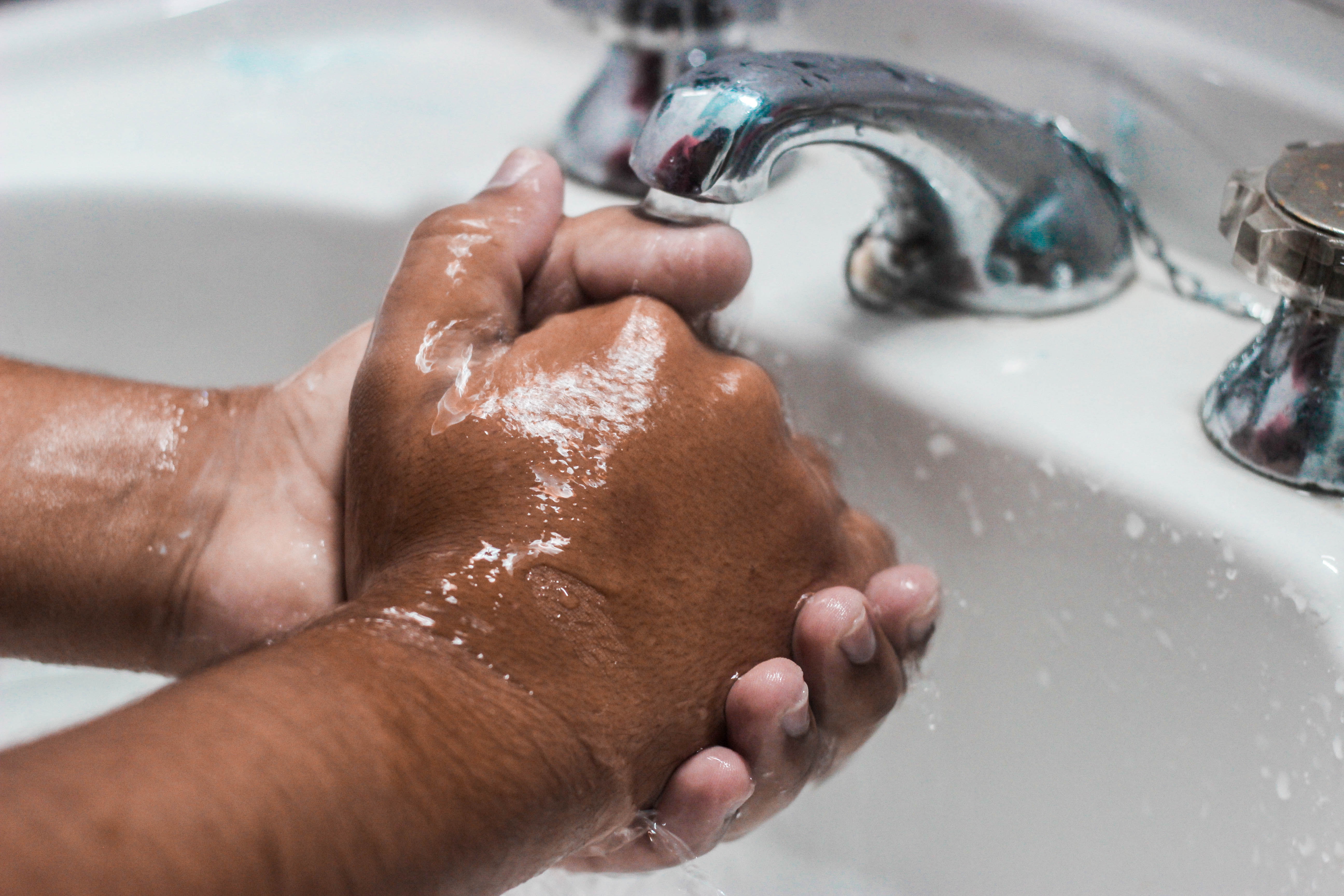
Basic Wound Care: This will likely be the first aid skill you’ll need most often. Knowing how to clean, disinfect, and dress wounds is fundamental. Number one, always wash your hands to not infect the found. Then, stop the bleeding by applying pressure. Clean the wound if possible. Finally, bandage the wound. For more info, read this article from the Mayo Clinic.
Burn Treatment: In the event of minor burns, first treat them with cool running water and sterile dressings. Seek medical attention for more severe burns. Read more from the American Academy of Dermatology Association.
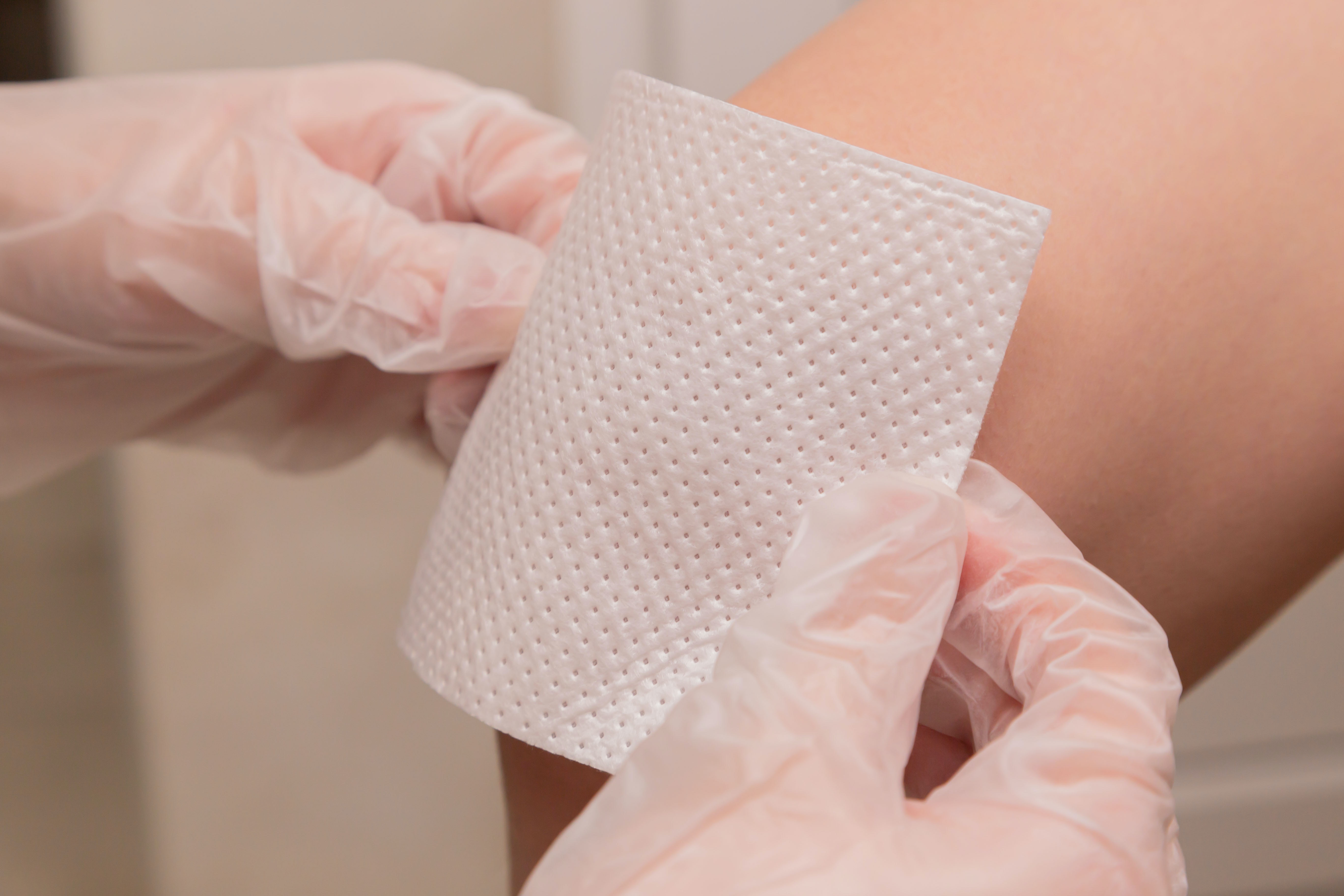
Fracture Stabilization: Carefully immobilize fractures or suspected fractures using splints or bandages until professional help arrives. You want to keep bones from further moving out of place or possible puncturing something else in the body. For parents, read more at KidsHealth.org.
CPR (Cardiopulmonary Resuscitation): CPR can save lives during cardiac arrest. We highly recommend taking a certified CPR course to learn the proper techniques for adults, children, and infants. Do a quick search on the Red Cross website to find a class in your area.
Heimlich Maneuver: This technique can help clear a blocked airway in choking emergencies. Learn how to perform the Heimlich maneuver for adults and children. Watch the video below for instructions.
Allergic Reactions: Allergic reactions can happen with food, insect stings, latex, and more. Someone having a severe allergic reaction may get hives, swelling in the face, fainting, vomiting, etc. In the event of an allergic reaction, immediately call 911. Then ask the person if they have an epinephrine (EpiPen) and if they need assistance administering it. Continue to assist the person with these tips from the Mayo Clinic.
Poisoning: Where are harmful substances stored in and around your house? Be aware of common household poisons such as cleaning agents as well as common items in your garage. Additionally, keep medications safe and secure. If someone ingests the substances or gets it on their skin, read the label for specific instructions. For substances on the skin, hold under running water. Call 911 or 1-800-222-1222, or get help from Poison.org.
Seizure First Aid: If someone is experiencing a seizure, the best thing you can do is stay calm and stay with the person. Most seizures are short and the person will be okay afterwards. Call 911 if it’s the person’s first seizure, the seizure lasts longer than five minutes, occurs in water, the person doesn’t return to their normal selves, they have repeated seizures, they are injured or pregnant, or if they ask for medical attention. Learn more from the Epilepsy Foundation.
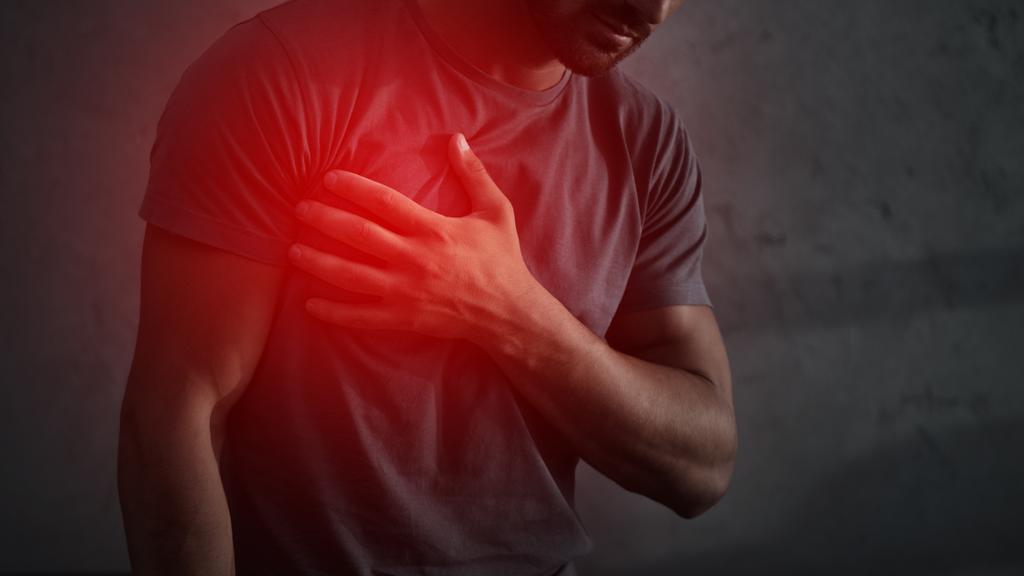
Heart Attack: If you notice these symptoms, call 911 right away: Chest pain or discomfort (pressure, squeezing, fullness), typically on the left side and lasts for more than a few minutes or goes away and comes back, feeling weak or faint, pain in the jaw, neck, or back, pain in one or both arms or shoulders, shortness of breath. Learn more from the Center for Disease Control.
Stroke: If you notice the following symptoms, call 911 immediately. According to the American Stroke Association, the symptoms spell out FAST:
F = Face Drooping A = Arm Weakness S = Speech Difficulty T = Time to call 911
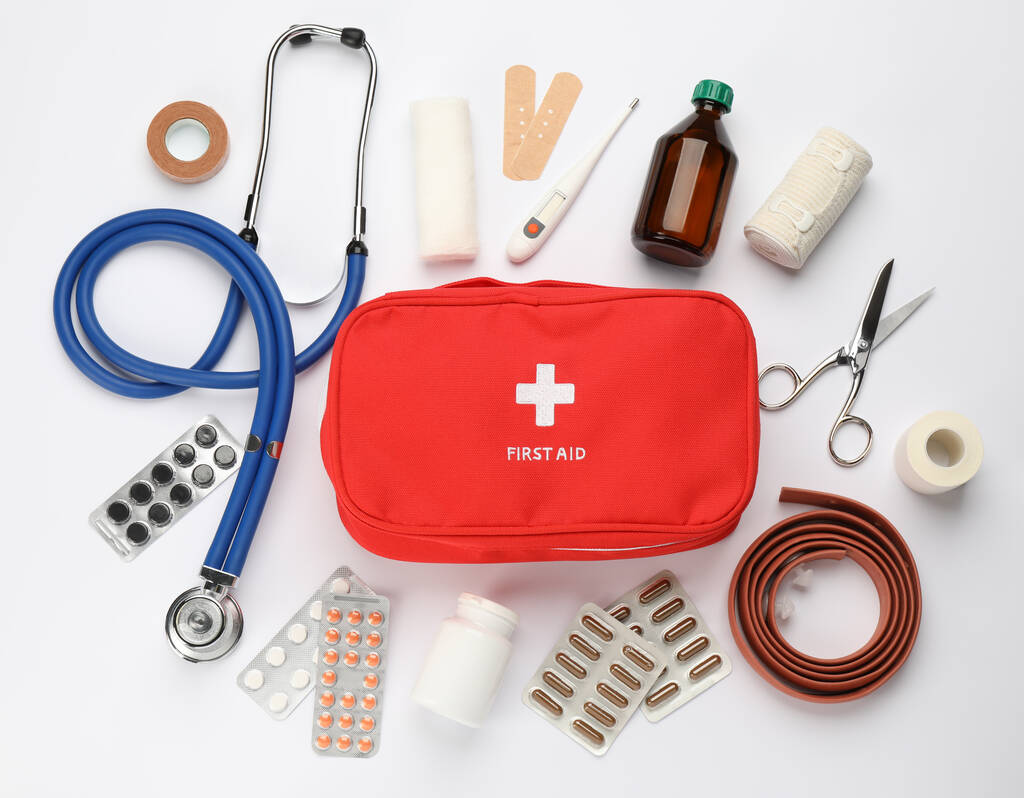
First Aid Supplies
Now that you’ve had a refresher in basic first aid at home, now it’s time to make sure you have the supplies you need for when those types of emergencies occur.
First Aid Kit: Invest in a well-stocked first aid kit that includes bandages, gauze, adhesive tape, scissors, tweezers, antiseptic wipes, and disposable gloves.
Sterile Dressings: Keep sterile gauze pads, bandages, and adhesive tape to cover and protect wounds.
Antiseptic Solutions: Store antiseptic solutions like hydrogen peroxide or alcohol to clean wounds.
Thermometer: Have a reliable thermometer to monitor body temperature.
CPR Mask: A CPR mask with a one-way valve can protect both the rescuer and the victim during CPR.
Instant Cold Packs: These can help reduce swelling and alleviate pain for injuries like sprains and strains.
Medications: Include over-the-counter pain relievers, antihistamines, and any prescribed medications your family members may need.
Tweezers and Scissors: These tools are essential for removing splinters, cutting tape, or trimming dressings.
Emergency Blanket: A foil or Mylar emergency blanket can help keep a person warm in case of shock or exposure.
Flashlight and Batteries: Ensure you have a working flashlight with extra batteries in case of power outages during emergencies.
In Case of Emergency: Home Security System
No one wants to think about the possibility of major emergencies happening at home, but it’s best to prepare ahead of time so anyone at home can get the help they need quickly. Minor cuts and scrapes are something that most people can handle just fine without medical attention.
But what if you need more help? Calling 911 is one of the best things you can do.
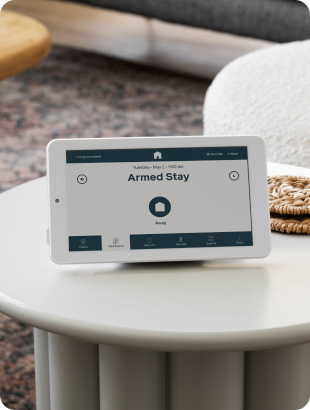
However, what if you aren’t able to call because you are the one experiencing the emergency? That’s when a home security system can assist you. To more fully protect your home and your loved ones, we recommend a few pieces of equipment beyond burglary sensors and security cameras.
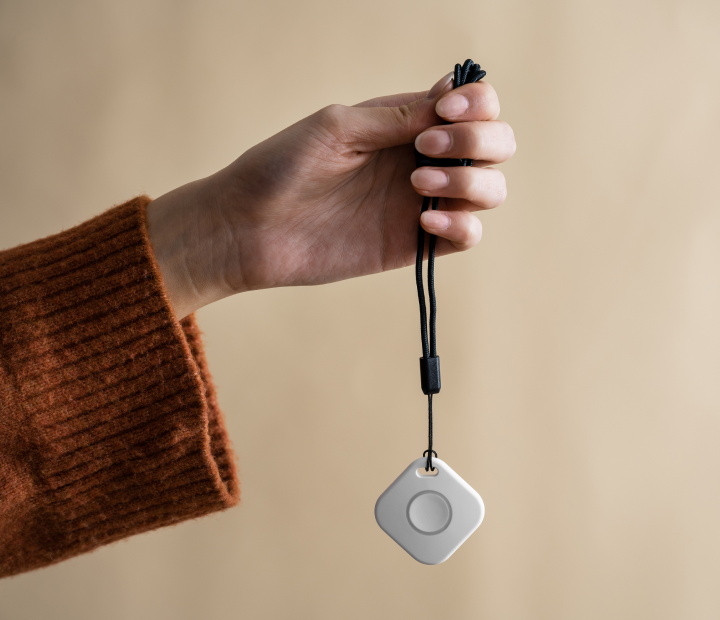
Panic Buttons: For anyone needing immediate assistance, such as an elderly person at home, a medical alert pendant can give you peace of mind knowing they have quick access to help whenever they need it. All they need to do is wear it like a necklace, then press and hold the button for 2 seconds and the authorities will be on their way. Using RapidSOS technology, Cove digitally sends your information to authorities, saving precious minutes.
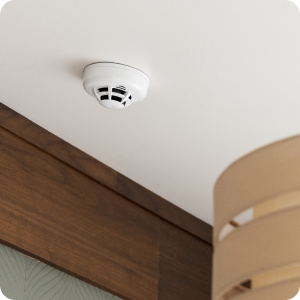
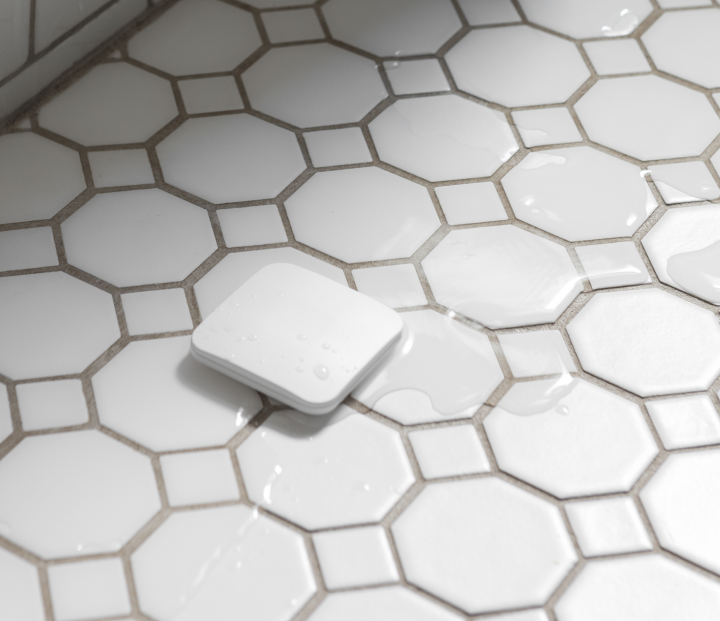
Environmental Detectors: Smoke detectors are a must in your home to be alerted at the first sign of danger. When you have professional monitoring, you have the extra assurance that if your alarms go off, you’ll be alerted. And if you can’t be reached, Cove will call the fire department for you. Additionally, be sure to include water leak detectors to prevent potential leaks from becoming floods. Place them under sinks or near the hot water heater, washing machine, etc., so you'll be alerting when there's moisture.
Having the knowledge and supplies for first aid at home is not only responsible but can be lifesaving. Emergencies can happen when least expected, and being prepared can make all the difference. Remember to periodically check and replenish your first aid supplies, and consider taking a first aid and CPR course to stay current with your skills. Your family's safety and well-being depend on it.
Ready to get started?
Take this short quiz to build your customized system today!
Takes less than a minute