
Cove is actively dedicating resources to make our site, and our community, more accessible. While we make changes, if you need any assistance accessing the information on this site, please contact us at 855.268.3669 or support@covesmart.com. For those who are deaf or hard of hearing or who do not use voice channels to communicate, please contact us via email or via 711 or other relay services. If you have any feedback or suggestions as to how we could improve the accessibility of our website, please contact us at accessibility@covesmart.com. Please be aware that our site may contain links to other websites, the accessibility of which is not under our control. Please contact us if you run into any difficulties with these sites, and we will do our best to help you.
Accessibility


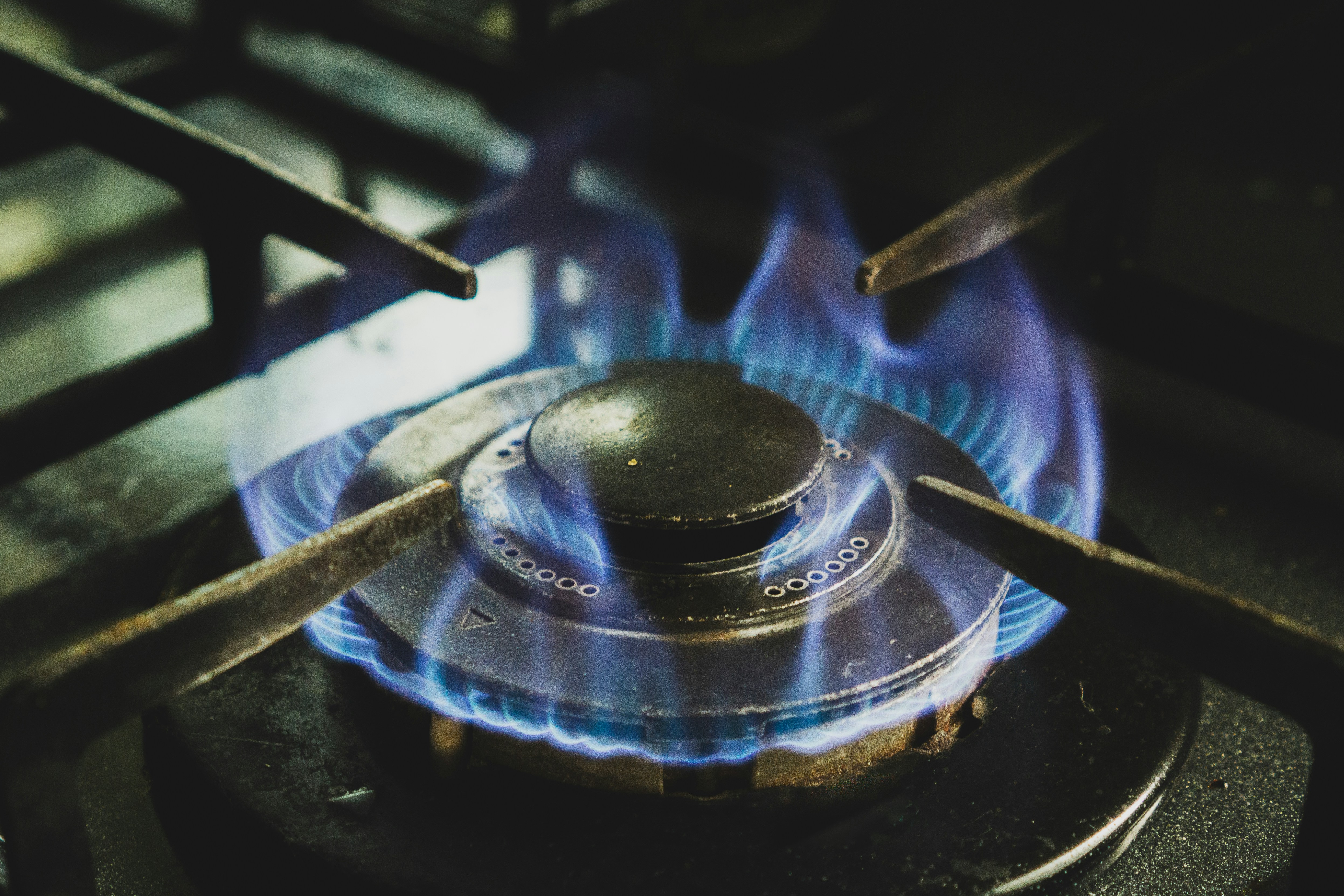
Considering purchasing a natural gas detector but unsure where to start? Gas fires pose a significant threat to homes, yet many lack proper detection systems. Investing in a natural gas detector can enhance your home's safety by alerting you to potential dangers.
Understanding the importance of gas safety and knowing what to look for in a detector is crucial for protecting yourself and your loved ones. Here's what you need to know before buying a natural gas detector.

Understanding Natural Gas
Natural gas is a widely used fossil fuel prized for its efficiency and low emissions. It's non-toxic in its pure form but can be deadly if leaked into enclosed spaces. With its prevalence in modern homes for heating, cooking, and other appliances, it's essential to be aware of the potential risks. While it’s among the safest sources of power, natural gas carries risk. It’s highly flammable, so a leak could easily lead to a dangerous fire. Plus, breathing in too much natural gas is poisonous.

Role of Natural Gas in American Homes
The average American household relies on natural gas for various appliances, from heaters to stoves. Despite its widespread use, many homes lack adequate detection systems. Gas-related incidents, including fires and explosions, cause significant damage and even loss of life each year. Investing in a gas detector is a proactive step towards preventing such tragedies.
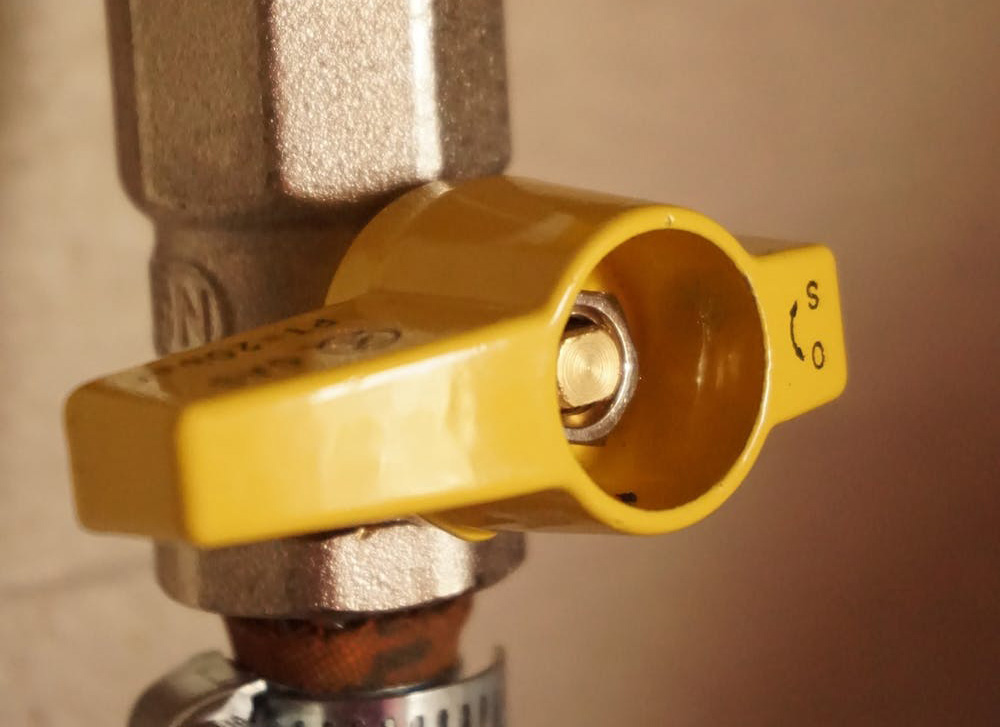
Difference Between Natural Gas and Carbon Monoxide
Is natural gas the same thing as carbon monoxide? No, but they are related.
Natural gas is the fuel brought into your home and used to power things. Natural gas is nontoxic in its original form. However, if it leaks into your home, like from a malfunctioning appliance or stove left on, since natural gas is highly flammable, there is a risk of a dangerous fire. Natural gas typically smells like rotten eggs. Only a natural gas detector can detect a natural gas leak.
Carbon monoxide, on the other hand, is a byproduct of burning fuel. CO is toxic. As you use small engines, stoves, gas ranges, furnaces, or other household appliances, the byproduct is CO, which can build up indoors and potentially become deadly. Only a carbon monoxide detector can detect CO levels. For optimal safety, consider installing natural gas detectors and CO detectors.

Selecting the Right Natural Gas Detector
When choosing a natural gas detector, consider factors such as power source, sensitivity, and alarm type. Battery-powered or plug-in detectors are available, with varying levels of sensitivity to detect even trace amounts of gas. Look for alarms with clear and distinct alerts to ensure timely warnings.
Installation and Placement
Install detectors near gas-powered appliances and in areas where gas leaks are most likely to occur, such as near appliances or units that use natural gas, such as furnaces, hot water heaters, stoves, dryers, and more. Regularly check and maintain detectors to ensure they remain functional.
Responding to Gas Leaks
In the event of a gas leak, evacuate immediately. Avoid using electrical devices or making phone calls within the affected area, as they can ignite gas. Contact emergency services and refrain from re-entering the home until it's deemed safe by professionals.

Staying Safe with Cove
While Cove doesn't currently offer natural gas detectors, our carbon monoxide and smoke detectors provide added layers of protection for your home. With professional monitoring services, you gain peace of mind knowing that help is just a call away in case of emergencies.
Investing in a natural gas detector is a simple yet effective way to enhance home safety. By understanding the risks associated with natural gas, choosing the right detector, and prioritizing proper installation and maintenance, you can mitigate potential dangers and protect your loved ones.

Ensuring your home is equipped with proper natural gas detection systems is crucial for safeguarding against potential hazards. With the right knowledge and equipment, you can significantly reduce the risks associated with natural gas leaks and protect your home and loved ones from harm. Take the proactive step towards safety by investing in a reliable natural gas detector today.
Ready to get started?
Take this short quiz to build your customized system today!
Takes less than a minute