
Cove is actively dedicating resources to make our site, and our community, more accessible. While we make changes, if you need any assistance accessing the information on this site, please contact us at 855.268.3669 or support@covesmart.com. For those who are deaf or hard of hearing or who do not use voice channels to communicate, please contact us via email or via 711 or other relay services. If you have any feedback or suggestions as to how we could improve the accessibility of our website, please contact us at accessibility@covesmart.com. Please be aware that our site may contain links to other websites, the accessibility of which is not under our control. Please contact us if you run into any difficulties with these sites, and we will do our best to help you.
Accessibility


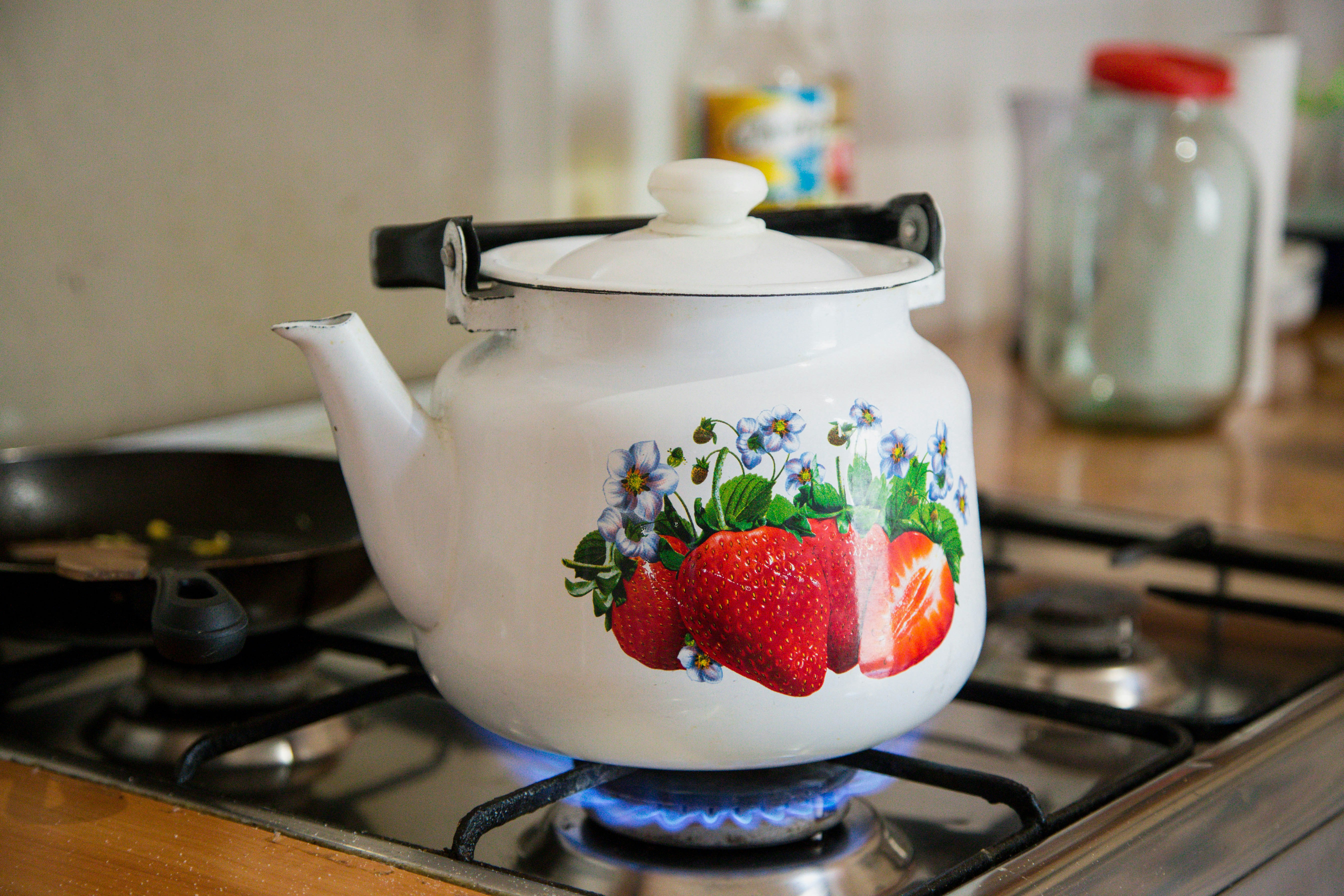
Natural gas is commonly used for heating, cooking, and electricity generation because of its efficiency and low emissions when compared to other fossil fuels. But the colorless, odorless gas, composed predominantly of methane, can be hazardous if not handled properly.
When natural gas leaks, it can mix with the air to form a flammable combination. If this mixture comes into contact with an ignition source such as a spark or flame, it can lead to a fire or even an explosion. Furthermore, inhalation of high concentrations of natural gas can displace oxygen in the body, leading to devastating side effects.
According to the Pipeline and Hazardous Materials Safety Administration (PHMSA), there have been more than 2,700 significant gas leak incidents in the United States since 2010, with 362 of those incidents resulting in explosions. In addition, nearly 700 people were injured and 140 were killed as a result of these occurrences.
In this article, we’ll share some simple yet effective methods that you can employ to test for gas leaks in your home, as well as the steps to follow if you discover a gas leak.

1. Check for the Smell of Rotten Eggs or Sulfur in Your Home
If your home suddenly smells like rotten eggs or sulfur, it might indicate a gas leak. Natural gas, which is normally odorless, has a distinct smell due to the addition of a chemical called mercaptan. This odorant is intentionally added by utility companies to make it easier to detect gas leaks. So, if you notice this unmistakable smell, it's crucial to take immediate action and investigate further to ensure your safety and the well-being of everyone in your home.
2. Listen for Hissing or Whistling Sounds Near Appliances or Pipes
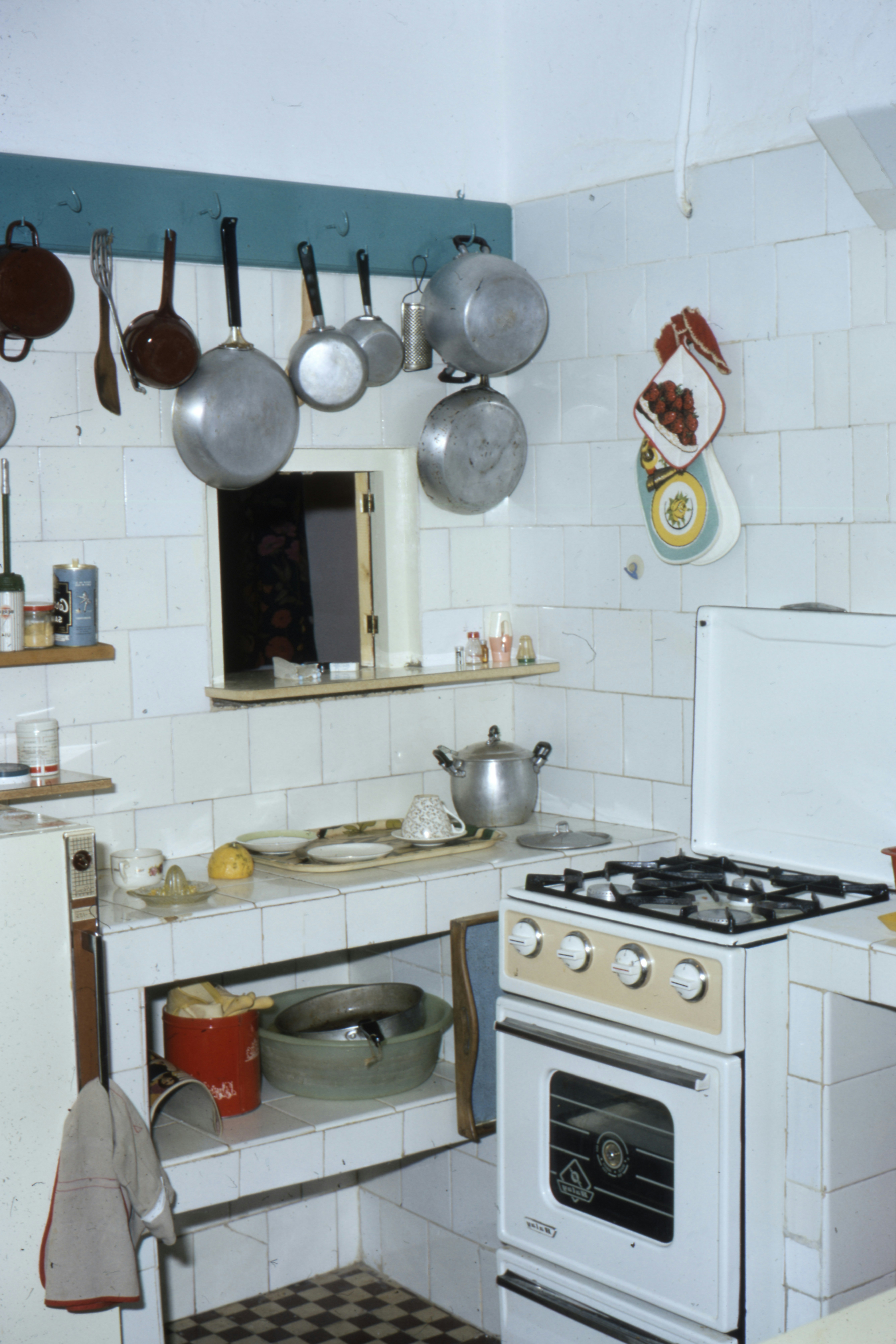
If you hear a hissing or whistling sound near your gas appliances or pipes, this could also indicate a possible gas leak. This sound is caused by the high-pressure gas escaping from the pipe or appliance. Unusual sounds like these might be warning signs of a potential hazard that requires immediate action.
3. Check the Color of Your Gas Flame
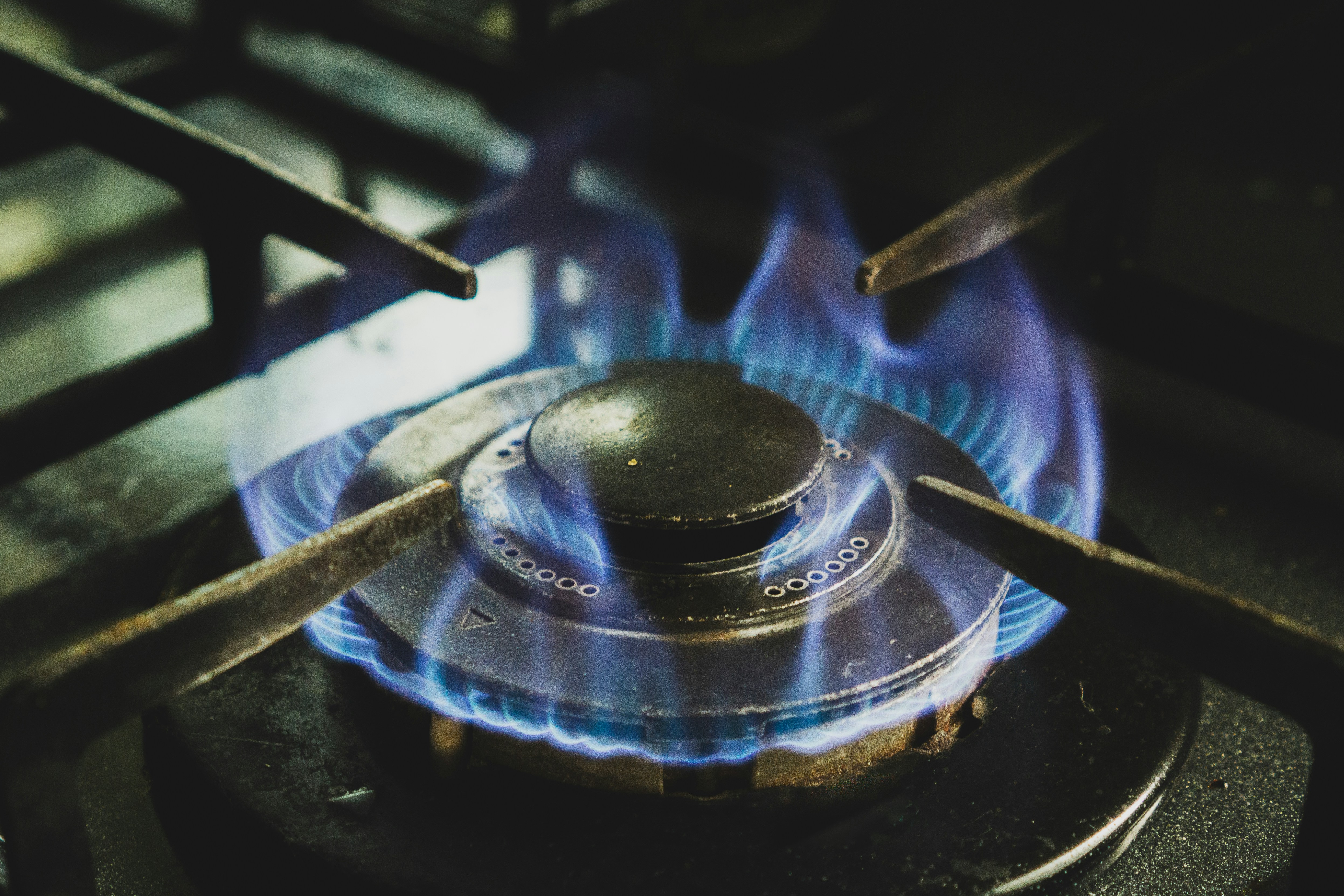
The color of the flame on your gas stove can also indicate a problem. A healthy gas flame is typically blue, with possibly a tiny tip of yellow, indicating a well-balanced burn. However, if the flame turns orange or yellow, it could be a sign of trouble with your gas supply, including a potential leak. This change in color suggests an incomplete combustion process, which may result from inadequate oxygen or an issue with the gas-to-air ratio.
4. Do the “Soapy Water” Test on Gas Pipe Joints
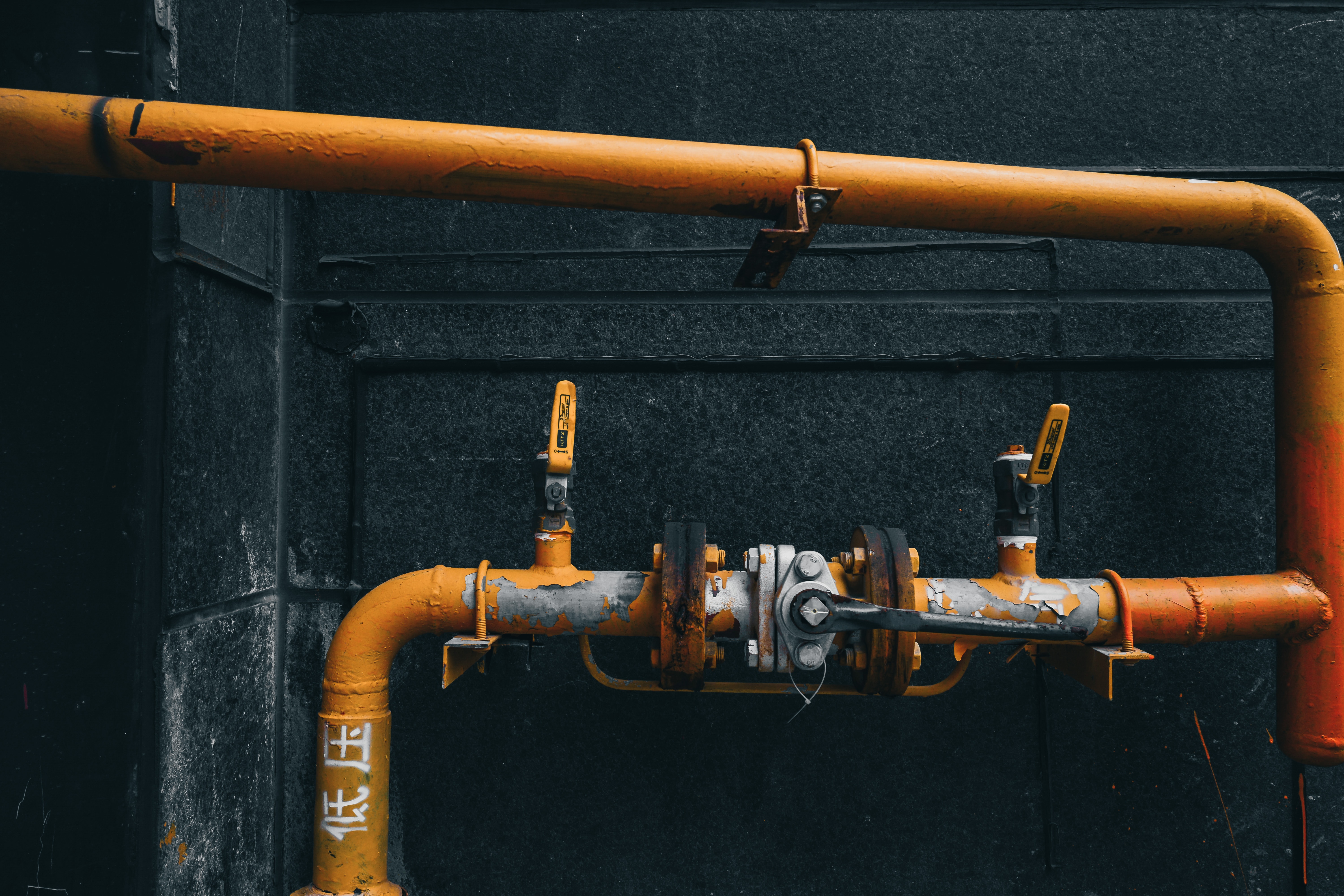
You can easily perform a simple “soapy water” test to check the joints of your gas pipes for leaks. All you need to do is prepare a solution of soap and water and apply it to the pipe joints. Then, carefully observe the joints and watch for any formation of bubbles. If you notice any bubbles forming, it is a good indication that you have a gas leak.
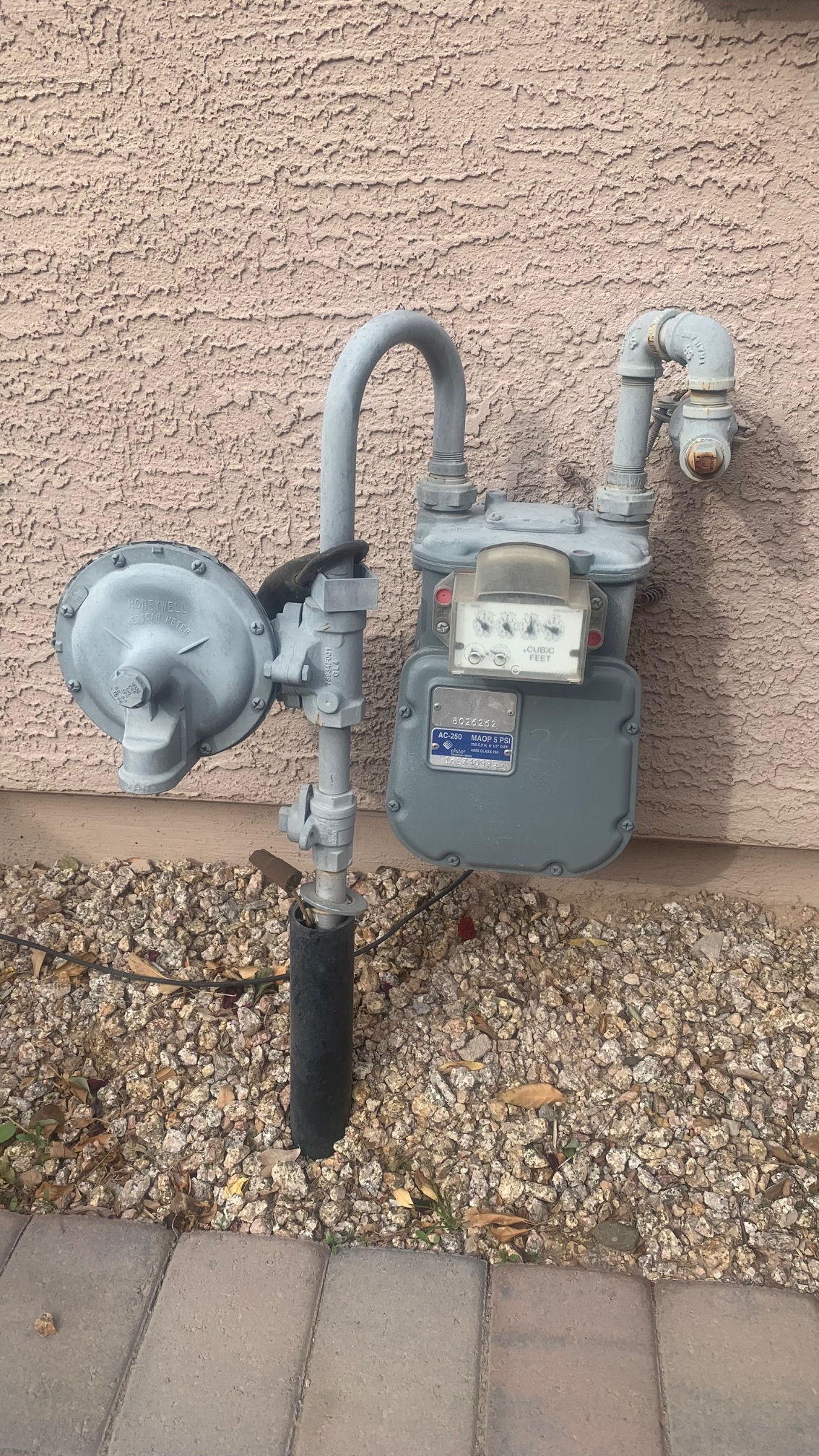
5. Look for Oil, a White Cloud, or Dust Moving Near the Gas Line
Pay close attention to the area around your gas line and keep an eye out for the presence of oil or a white cloud near the pipe. Additionally, watch to see if there is any dust blowing around the gas line. These could all indicate a gas leak that may be endangering the surrounding environment.

6. Look for Dying House Plants
If your indoor plants are wilting or dying despite proper care, it could be due to a gas leak. Plants are highly sensitive to changes in the air quality, and a gas leak can certainly have a detrimental impact on their health. The presence of harmful gasses can disrupt their natural metabolic processes and hinder their ability to absorb nutrients and water. This can lead to stunted growth, yellowing leaves, and overall decline in their vitality.

7. Check for Higher-Than-Normal Gas Bills
If you notice a sudden and unexpected surge in your gas bill, it could be an indication of a potential gas leak. Even if your gas usage hasn't significantly increased, but you find your bill to be unusually high, it's important to take the time to thoroughly check for any possible leaks and address the issue promptly.
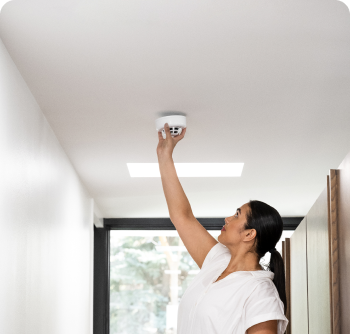
8. Use a Natural Gas Detector
A natural gas detector (different than a carbon monoxide detector) works by continuously monitoring the atmosphere for the presence of gas. It uses sensors that are sensitive to the specific properties of natural gas, such as its composition or the concentration of certain gasses. When the detector detects a certain level of gas that exceeds the predetermined threshold, it triggers an alarm to alert you of a potential gas leak. This early warning system allows you to respond promptly and take necessary actions to ensure safety before the situation becomes hazardous.

What to Do If You Detect a Leak
If you detect a gas leak in your home, it's critical to act swiftly and responsibly. Here's what you can do to ensure the safety of everyone in the house.
Step 1: Do not ignite anything. First and foremost, avoid igniting anything that could cause a spark or flame, including matches, lighters, or even electrical switches. Natural gas is highly flammable, and even the smallest spark could trigger an explosion if there's a significant amount of leaked gas in the air.
Step 2: Ventilate your home. Open all doors and windows to ventilate your home. This will help disperse the gas, reducing its concentration in the air. However, remember to do this manually and avoid using any electrical fans or devices that could create a spark.
Step 3: Turn off the gas supply. If it's safe to do so, turn off the gas supply at the meter to stop further leakage. It's essential to familiarize yourself with the location and operation of your gas meter beforehand.
Step 4: Evacuate. Once you've done these initial steps, evacuate your home immediately. Avoid using electronic devices, including your mobile phone, until you're a safe distance away from your home. This is because such devices can generate a spark.
Step 5: Contact professionals. From a safe distance, call 911 and contact your local gas company. They have the necessary training and equipment to deal with gas leaks safely and efficiently. Never attempt to fix a gas leak on your own.
Step 6: Seek medical attention. Be sure to seek medical attention if you experience any of the following symptoms:
- Headache
- Dizziness
- Nausea
- Difficulty breathing
- Chest pain
- Loss of consciousness
Knowing how to test for a gas leak is vital for maintaining a safe household. By following these tips, you can detect potential gas leaks early and take the necessary steps to address them. For more information about home safety, check out Cove’s Resources page.
Note: The content provided in this article is for informational purposes only. It is not intended as a substitute for professional advice. Always consult with a professional if you suspect a gas leak in your home.
Ready to get started?
Take this short quiz to build your customized system today!
Takes less than a minute