
Cove is actively dedicating resources to make our site, and our community, more accessible. While we make changes, if you need any assistance accessing the information on this site, please contact us at 855.268.3669 or support@covesmart.com. For those who are deaf or hard of hearing or who do not use voice channels to communicate, please contact us via email or via 711 or other relay services. If you have any feedback or suggestions as to how we could improve the accessibility of our website, please contact us at accessibility@covesmart.com. Please be aware that our site may contain links to other websites, the accessibility of which is not under our control. Please contact us if you run into any difficulties with these sites, and we will do our best to help you.
AccessibilityFamily Safety
Ensuring Child Safety: Determining When it's Okay for Kids to Stay Home Alone
Posted March 25, 2024 by Cove



Prioritizing our children's safety while fostering their independence is a balancing act every parent faces. One pivotal question in this journey is: at what age is it appropriate to leave a child unsupervised at home?
The answer to this question depends upon both legal regulations and the individual maturity level of the child. While age 8 is often cited as the minimum safe age for solo stays, local statutes and the child's capabilities might suggest a slightly older range, perhaps between 10 and 14.
Beyond legal considerations, parental judgment should encompass a thorough assessment of the child's readiness: Are they equipped to handle emergencies? Can they responsibly manage themselves for a period of time? These pivotal factors should inform the decision to leave a child home alone.
Harnessing Technology for Added Safety
For parents who have concluded that their child is prepared for independent spells, technological innovations offer reassurance and support.
- Wearable Devices PS-enabled bracelets provide real-time location tracking, emergency contact settings, and safety perimeters. Devices such as AngelSense cater specifically to children with special needs, offering features like remote listening for added peace of mind.
RELATED: Best Apps & Devices for Back-to-School Safety
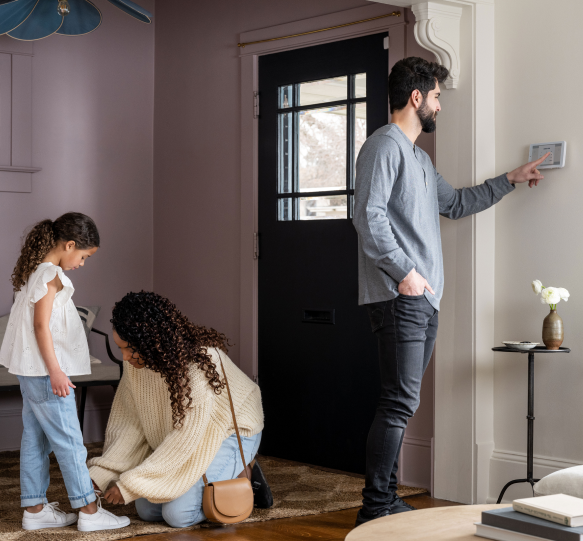
- Home Security Systems Modern home security systems, like Cove, combine professional monitoring, user-friendly installation, and flexible pricing, ensuring comprehensive protection without being locked into a contract. Cove is user-friendly and has everything parents need to keep an eye on their kids, while helping kids gain independance safely.
-
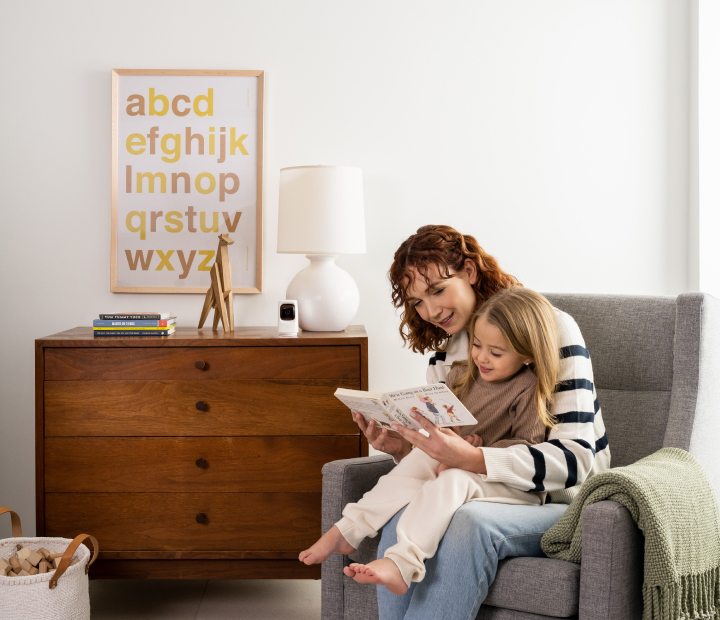
Smart Video Cameras Surveillance cameras, baby monitors, and nanny cams offer continuous visual oversight. When integrated into a comprehensive home security system, they enhance family safety by leaps and bounds. Cove's cameras also offer two-way communication so parents and children and easily contact each other.
-
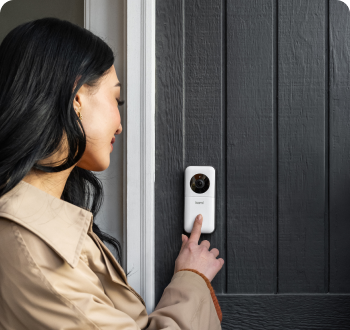
Smart Doorbells Equipped with video cameras and motion sensors, smart doorbells provide real-time alerts and two-way communication, empowering parents to ascertain visitors' identities and intentions remotely.
-
Smart Door Locks Complementing smart doorbells, these devices enable remote locking and unlocking, granting controlled access to authorized individuals while furnishing parents with activity alerts.
-
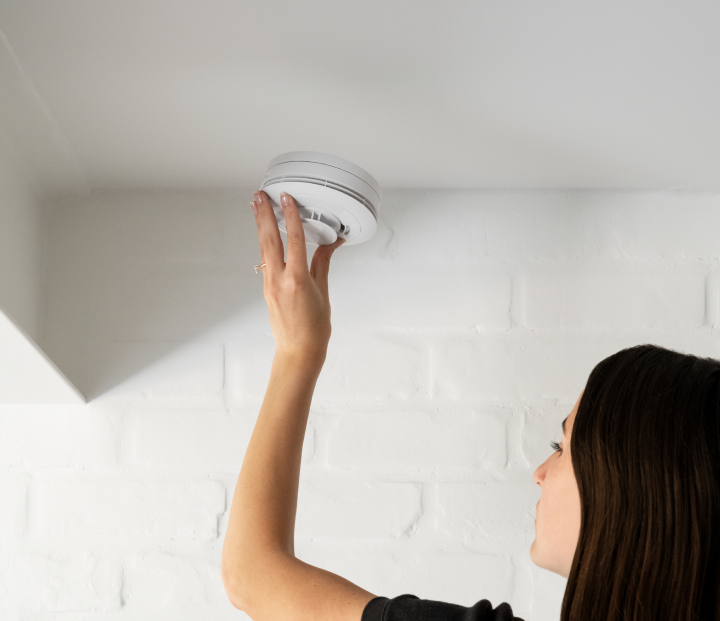
Smoke and CO Alarms Smart smoke detectors and carbon monoxide alarms use cutting-edge technology to swiftly detect and mitigate potential hazards, safeguarding children who may be at home.
Enlisting Babysitters for Added Assurance
For parents navigating demanding schedules, enlisting the help of others can provide invaluable support. If you can, ask grandparents or other relatives if they're available and willing. You could also ask friends and neighbors for help or if they have any recommendations.
Otherwise, you may look into hiring a reputable nanny or babysitter through services like Care.com. Rigorous vetting processes and peer reviews ensure peace of mind while entrusting caretaking responsibilities to capable hands.
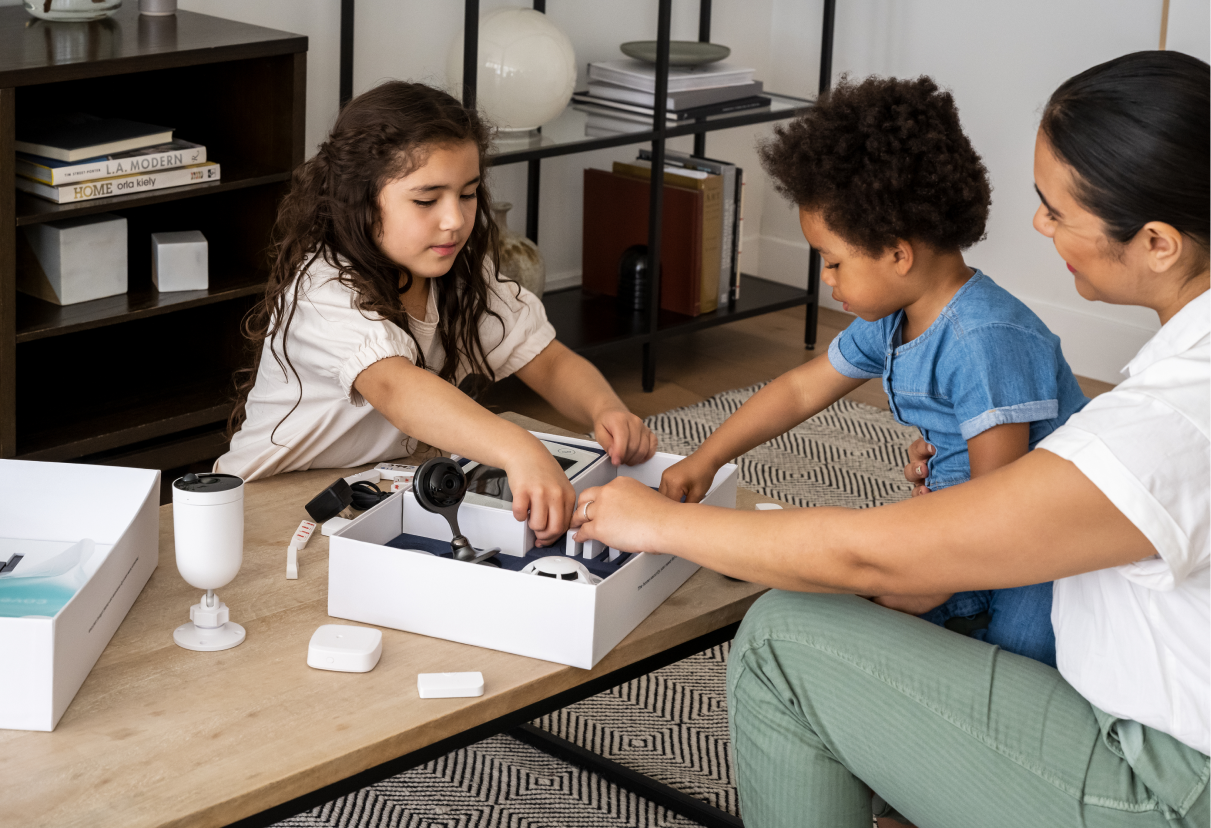
What age is the "right" age to leave a child home alone? Laws and personal situations help to dictate the answer. Parents may want to try small bits of time at first, such as leaving the child home alone while running a quick errand, to gauge if the child is ready.
As parents look into balancing child safety and independence, using technology while including support systems can help with informed decision-making and enhance familial well-being.
Ready to get started?
Take this short quiz to build your customized system today!
Takes less than a minute