
Cove is actively dedicating resources to make our site, and our community, more accessible. While we make changes, if you need any assistance accessing the information on this site, please contact us at 855.268.3669 or support@covesmart.com. For those who are deaf or hard of hearing or who do not use voice channels to communicate, please contact us via email or via 711 or other relay services. If you have any feedback or suggestions as to how we could improve the accessibility of our website, please contact us at accessibility@covesmart.com. Please be aware that our site may contain links to other websites, the accessibility of which is not under our control. Please contact us if you run into any difficulties with these sites, and we will do our best to help you.
Accessibility



During adolescence, teenagers undergo a crucial developmental phase where they begin to assert their independence while still relying on parental guidance and support. As parents, fostering this independence is essential for their growth, but it's equally vital to ensure their safety in an increasingly complex world. Here are some strategies to help teens develop independence while keeping them safe.

Establish Clear Rules/Boundaries
Setting clear rules and boundaries provides teens with structure and guidance as they navigate newfound freedoms. Sit down with your teenager and discuss expectations regarding curfews, household chores, communication, and behavior. Encourage open dialogue and be willing to negotiate within reason, but maintain consistency in enforcing boundaries to establish trust and accountability.

Give Teens Responsibilities
Assigning responsibilities empowers teens to take ownership of their actions and develop valuable life skills. Tasks like doing laundry, washing dishes, or maintaining the family car not only teach practical abilities but also instill a sense of responsibility and self-reliance. Consider involving them in managing their finances, such as paying for their own car insurance or contributing to household expenses, to impart financial literacy and accountability.
Encourage Activities or Part-Time Jobs
Encouraging involvement in extracurricular activities or part-time jobs can foster independence, develop social skills, and build self-confidence. By participating in clubs, sports, or community service, teens learn valuable teamwork, time management, and leadership skills. Similarly, holding a part-time job teaches financial responsibility, time management, and workplace etiquette.
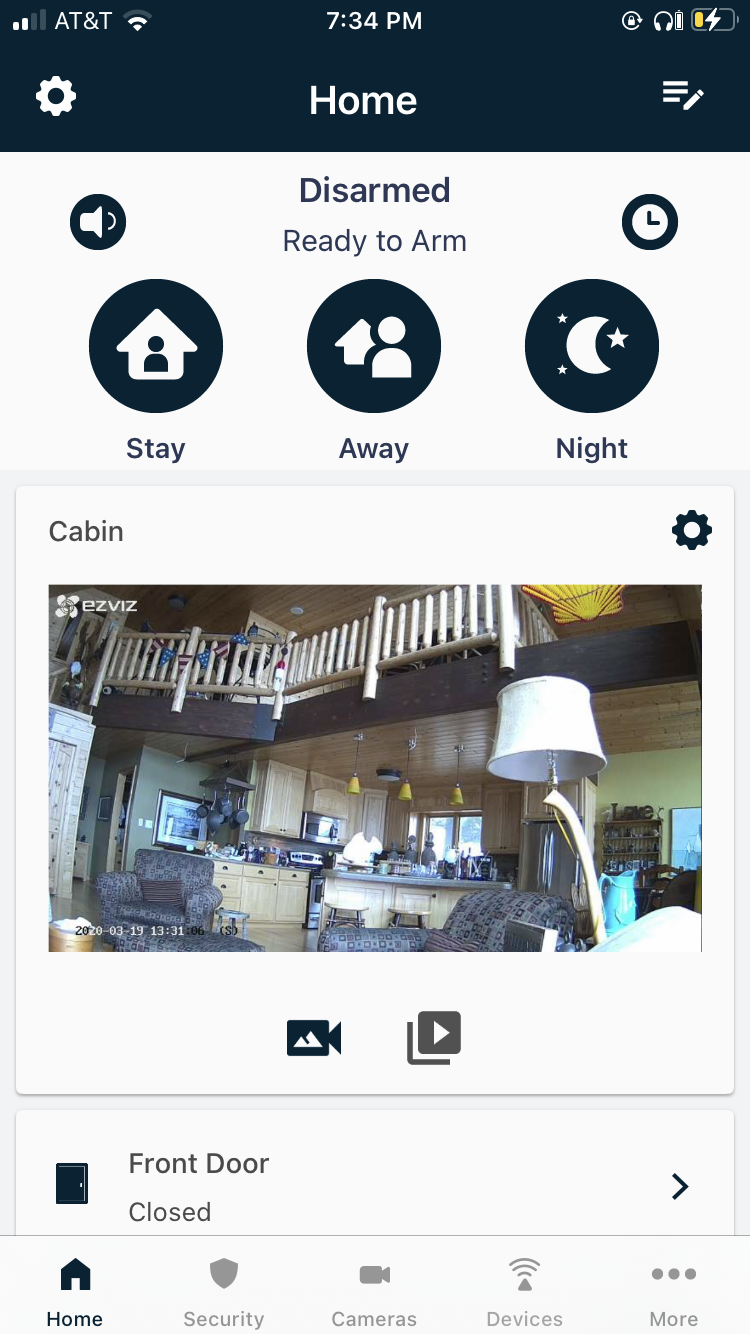
Keep Extra Eyes on Teens with Cove
Investing in a home security system offers peace of mind for both parents and teens. Systems like Cove provide comprehensive protection against intruders, fires, and medical emergencies. With features like door/window sensors, motion detectors, and 24/7 professional monitoring, parents can rest assured knowing their home and family are safeguarded, even when they're not around.
Utilize Helpful Safety Apps
Harness the power of technology to stay connected and ensure your teen's safety. Apps like Life360 provide real-time location tracking, allowing parents to monitor their teen's whereabouts and receive alerts in case of emergencies. Additionally, these apps often feature driving safety tools that track speed, detect sudden braking, and provide insights into driving habits, promoting safer driving practices.

Educate About Personal Safety
Educate teens about personal safety, including online safety, peer pressure, and the dangers of substance abuse, through open discussions and age-appropriate resources. Provide information about how to recognize and respond to risky situations, as well as strategies for seeking help and support when needed. By empowering teens with knowledge and skills, parents can help them navigate potential dangers and make informed choices.
Foster Independence Gradually
Foster independence gradually by granting privileges and freedoms based on maturity and responsibility demonstrated by the teen. Start with small responsibilities and gradually increase autonomy as the teen demonstrates trustworthiness and good judgment. This gradual approach allows teens to develop confidence and independence while still receiving guidance and support from parents.

By implementing these strategies, parents can support their teen's journey towards independence while prioritizing their safety and well-being. Balancing freedom with supervision and guidance allows teens to develop essential life skills and confidence while navigating the challenges of adolescence.
Ready to get started?
Take this short quiz to build your customized system today!
Takes less than a minute