
Cove is actively dedicating resources to make our site, and our community, more accessible. While we make changes, if you need any assistance accessing the information on this site, please contact us at 855.268.3669 or support@covesmart.com. For those who are deaf or hard of hearing or who do not use voice channels to communicate, please contact us via email or via 711 or other relay services. If you have any feedback or suggestions as to how we could improve the accessibility of our website, please contact us at accessibility@covesmart.com. Please be aware that our site may contain links to other websites, the accessibility of which is not under our control. Please contact us if you run into any difficulties with these sites, and we will do our best to help you.
AccessibilityEnvironmental Safety
11 Fire Hazards That Can Lead to Tragic House Fires
Posted January 6, 2024 by Cove


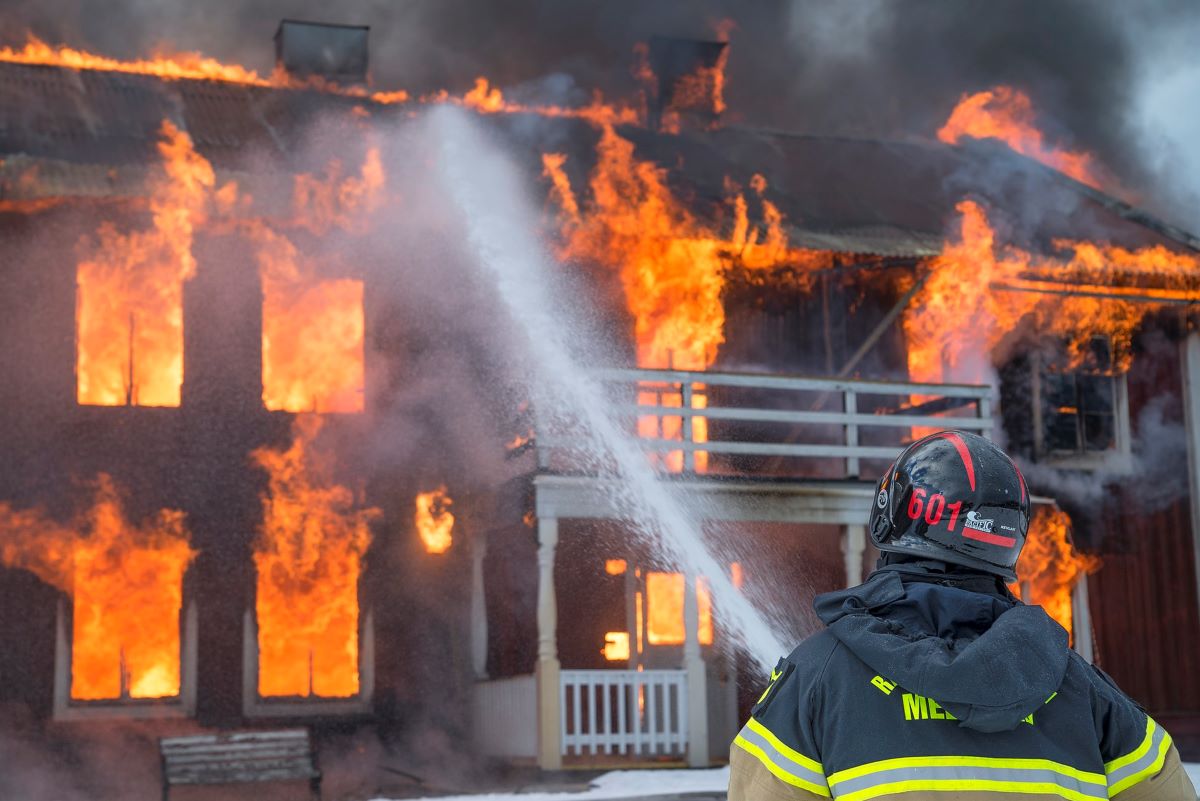
From our earliest days, we're taught the basics of fire safety. But despite our awareness, the reality of waking up to the scent of smoke, feeling the warmth of a growing fire, and needing to escape through a window remains a terrifying possibility. To minimize this risk, it's crucial to understand and address common fire hazards in our homes. Here are eleven critical ones to watch out for:
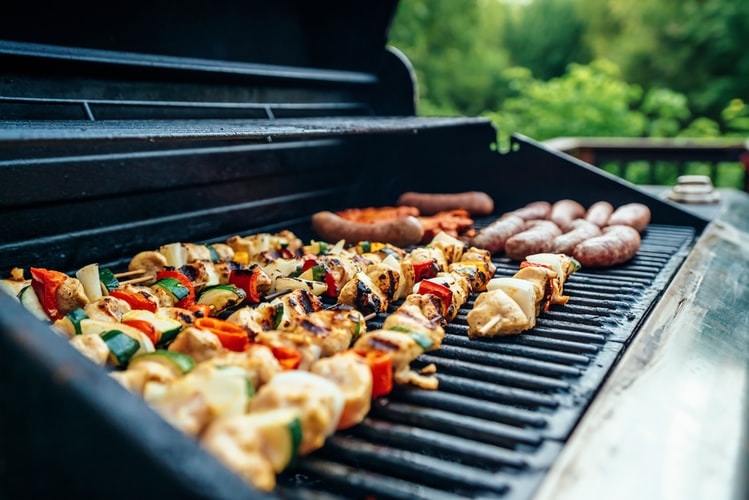
11. Barbecues
While the allure of a barbecue on a summer evening is undeniable, it also presents a potential fire hazard. To mitigate this risk, ensure the grill is positioned safely away from the house and maintain regular cleaning to prevent flare-ups.
10. Old/Bad Wiring
Outdated or faulty wiring is a silent threat lurking within many homes. Signs such as frequent circuit overloads or flickering lights indicate the need for professional inspection and possible rewiring to prevent fire hazards.

9. Christmas Trees
Despite their festive charm, live Christmas trees can pose a significant fire risk, especially when dry. Proper hydration and the use of LED lights are essential precautions to enjoy the tradition safely.
8. Candles
While candles create a cozy ambiance, they are, at their core, open flames. Practice caution by keeping them away from flammable materials and extinguishing them before leaving a room or the house.

7. Electrical Appliances
From kitchen gadgets to chargers, electrical appliances abound in modern homes. Regularly inspect cords for damage and replace any frayed ones promptly to avoid potential fire incidents.
6. Children
Educating children about fire safety is paramount. Regular conversations about the dangers of playing with fire and strict supervision can prevent devastating accidents.
5. Lighting
Lamps serve both practical and aesthetic purposes but can become fire hazards if not used cautiously. Opt for LED bulbs, keep lampshades clear of flammable objects, and always turn them off when unattended.

4. Flammable Liquids
Household items like gasoline require proper storage to minimize fire risks. Store them in cool, ventilated areas away from heat sources and ensure containers are tightly sealed.
3. Heating
Whether through central heating or space heaters, proper precautions are necessary to avoid fire hazards. Keep flammable materials away from heat sources, and never leave heaters unattended.
2. Smoking
Smoking indoors requires heightened vigilance due to its status as a leading cause of house fires. Use deep, sturdy ashtrays and avoid smoking in areas with flammable materials, especially when drowsy.
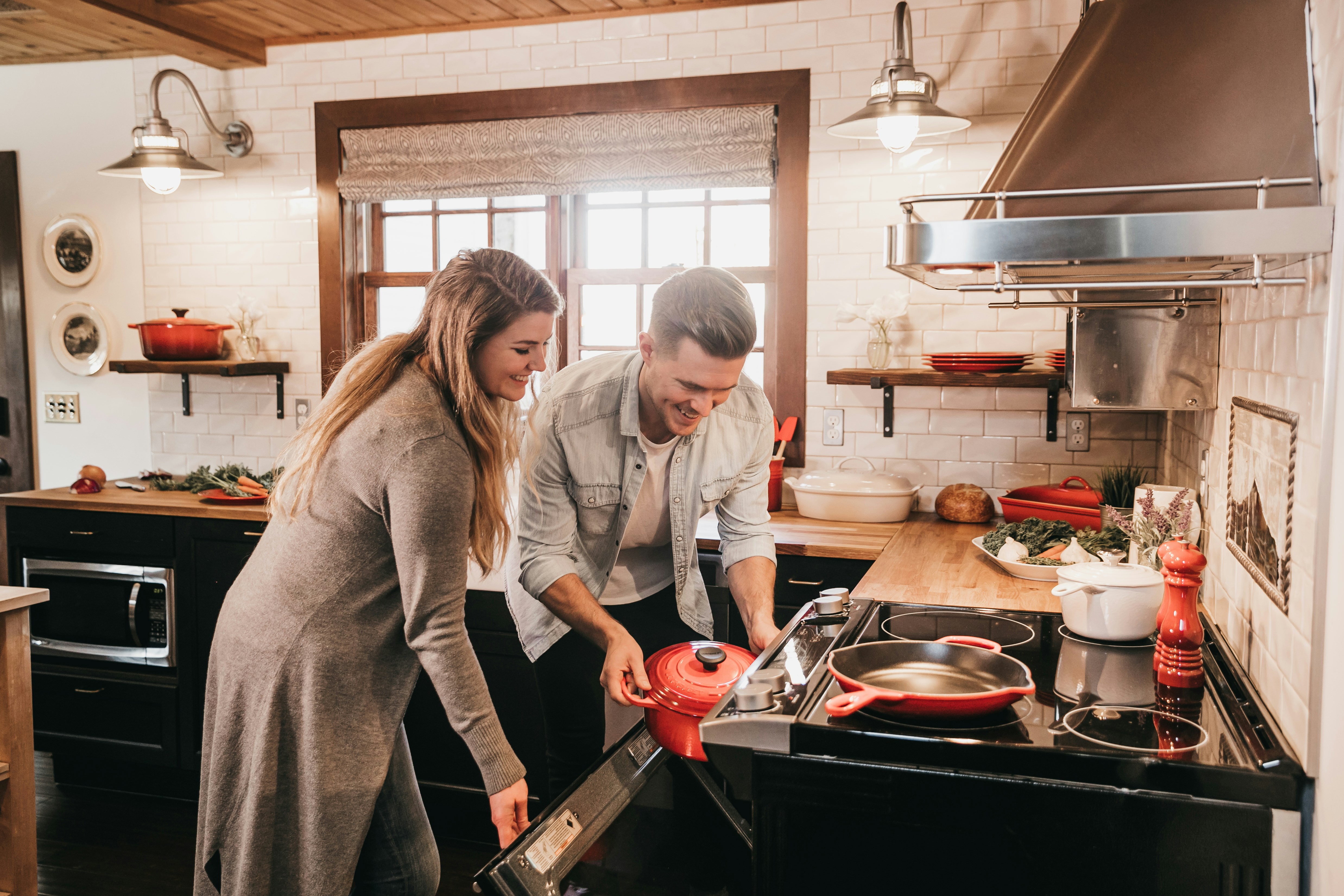
1. Cooking
The kitchen is a hot spot for potential fires, with cooking-related incidents ranking as the primary cause. Regular cleaning of stoves and ovens, along with keeping flammable objects away from heat sources, are essential preventive measures.
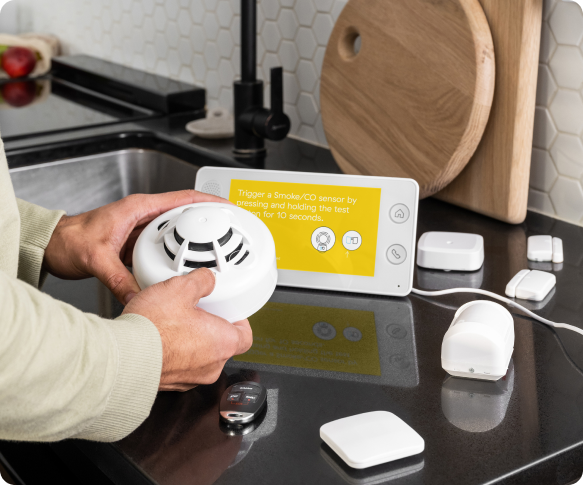
While implementing these precautions significantly reduces the risk of house fires, it's wise to bolster safety measures with a reliable smoke detector to ensure timely detection and response in the event of an emergency.
Elevate Your Smoke Detectors with a Home Security System
Did you know that you can include a smoke detector with your home security system? At Cove, you can customize your system to include cameras, sensors, and smoke detectors, which then connect to your alarm panel. That panel communicates with our professional monitoring services, so that anytime your smoke detector goes off, we will contact you to see if it's a false alarm. If you don't respond or if you confirm it's an emergency, we'll contact the fire department for you.
Interested in learning more? Take our quiz below and see how affordable a Cove system can be.
Ready to get started?
Take this short quiz to build your customized system today!
Takes less than a minute