
Cove is actively dedicating resources to make our site, and our community, more accessible. While we make changes, if you need any assistance accessing the information on this site, please contact us at 855.268.3669 or support@covesmart.com. For those who are deaf or hard of hearing or who do not use voice channels to communicate, please contact us via email or via 711 or other relay services. If you have any feedback or suggestions as to how we could improve the accessibility of our website, please contact us at accessibility@covesmart.com. Please be aware that our site may contain links to other websites, the accessibility of which is not under our control. Please contact us if you run into any difficulties with these sites, and we will do our best to help you.
AccessibilityEnvironmental Safety
Water Leak Sensors: How They Prevent Floods in Your Home
Posted February 12, 2024 by Cove


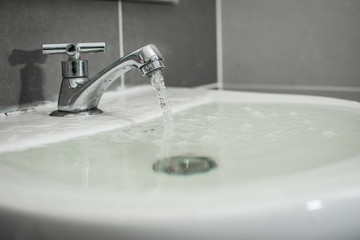
When safeguarding your home, it's important to consider protection not just from intruders but also from natural disasters. Among these, flooding is more common than you think. A flood in your home can stem from various sources, including extreme weather events or plumbing mishaps like burst pipes.
Integrating flood sensors into your home security system is the best way to catch leaks before they cause big-time damage. In this article, we delve into what flood sensors entail, how they operate, and the advantages they offer for fortifying your home security.

Understanding Flood Sensors and Their Functionality
Cove's water leak detector help prevent leaks in two major ways. One, they have a sensor that can detect moisture. Two, it has a sensor that detects when temperatures drop to levels that can cause pipes to freeze. In both cases, their sensors catch issues right as they happen.
Since Cove water leak detectors are connected to your home security system, once any of them are tripped, they'll send an alarm to your panel and phone. That way, you'll know the instant there's a possible leak.
Once your device's alarm has sounded, you'll know immediately that you need to get to your home's shut off valve so you can turn off the water supply. This fast system of alerting leads to fast action and that fast action leads to minimized water damage.
Bonus Tip: Always know where your water shut off valve is, so you can take action quickly if alerted.
If you are frequently away from your house, (if you work during the day, for example) having a water leak detector that can send you a push notification is ideal. This way you will not have to be home to know if your leak detector is sounding its alarm.
By proactively identifying potential hazards, flood sensors play a crucial role in mitigating damages and associated expenses. If a leak were left undetected under a sink or in a basement, how much damage could it do?

Strategic Placement of Flood Sensors
While water leak detectors can be installed anywhere in your home, strategic placement near appliances or pipes that might leak or burst will make the devices the most effective.
The great thing about Cove's water leak detectors are that you can simply place them on the floor or at the bottom of a cabinet. Installation couldn't be easier! Then you'll simply pair the device with your Cove panel to make sure you receive any alerts.
Where should you play a water leak detector? Here are some idea locations:
- behind toilets
- under kitchen sinks
- under bathroom sinks
- under refrigerators
- near water heaters
- near washing machines
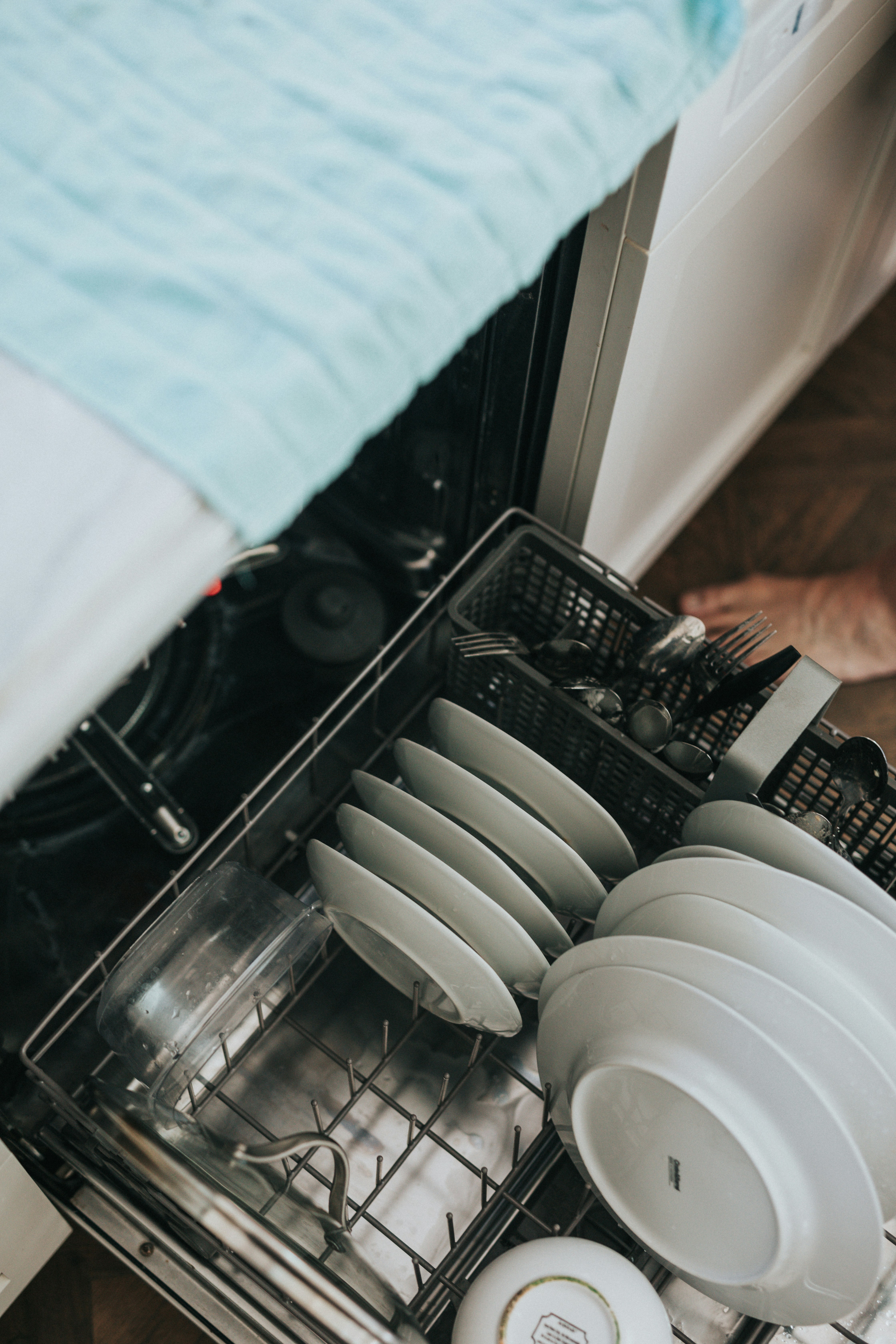
- under dishwashers
- in basements prone to flooding
- near any other exposed pipes
Thre great thing about Cove's water leak detectors is, they are very inexpensive. Adding several to your cart will more than pay for themselves with the savings and hassle from potential flood damage.

Installing Flood Sensors: A Simple Process
Once you identified where you want to install the flood sensors, the installation process is easy. Turn the sensor over and press the test button in order to trigger the sensor. Then place the sensor, with the four gold contacts facing down, in its designated spot. If you have smaller children, it may be best to place the flood sensor in a secluded area.
You’ll also need to add the sensor into your home security panel. You can do this by clicking settings – sensors – floods – add new sensor. Trigger the sensor by pressing the test button. It’s here that you’ll also give the sensor a name. If you have more than one Cove flood sensor, you’ll need to add it as well.
Additionally, be sure to pick a spot with hard flooring for your Cove flood sensors.
Benefits of Flood Sensors
Investing in flood sensors from Cove offers numerous advantages. These sensors come pre-programmed for effortless installation, with the option for a lifetime warranty. They boast smart features, including self-testing capabilities every 60 minutes, and allow for customizable alerts. Moreover, homes equipped with water sensors often receive favorable consideration from insurers.
Enhanced Safety and Water Damage Mitigation
The primary benefit of flood sensors lies in their ability to provide early warnings of potential flooding or leaks. This enables prompt action, facilitating quicker evacuation and minimizing damage not only to belongings but also to the structural integrity of your home. Given that standard homeowner insurance typically excludes flood damage, swift response becomes imperative in protecting your property.
Furthermore, flood sensors serve as proactive tools in preventing pipe bursts during temperature fluctuations. By issuing timely notifications, they empower homeowners to safeguard their plumbing infrastructure effectively.
Maintenance Tips for Flood Sensors
To ensure optimal performance, regular maintenance of flood sensors is essential. Key maintenance practices include:
- Periodically checking sensor functionality and signal transmission to the security panel.
- Developing an action plan for responding to potential flooding incidents.
- Monitoring battery life and replacing them as needed.
- Familiarizing oneself with the owner's manual for comprehensive understanding and seeking professional assistance if issues arise.
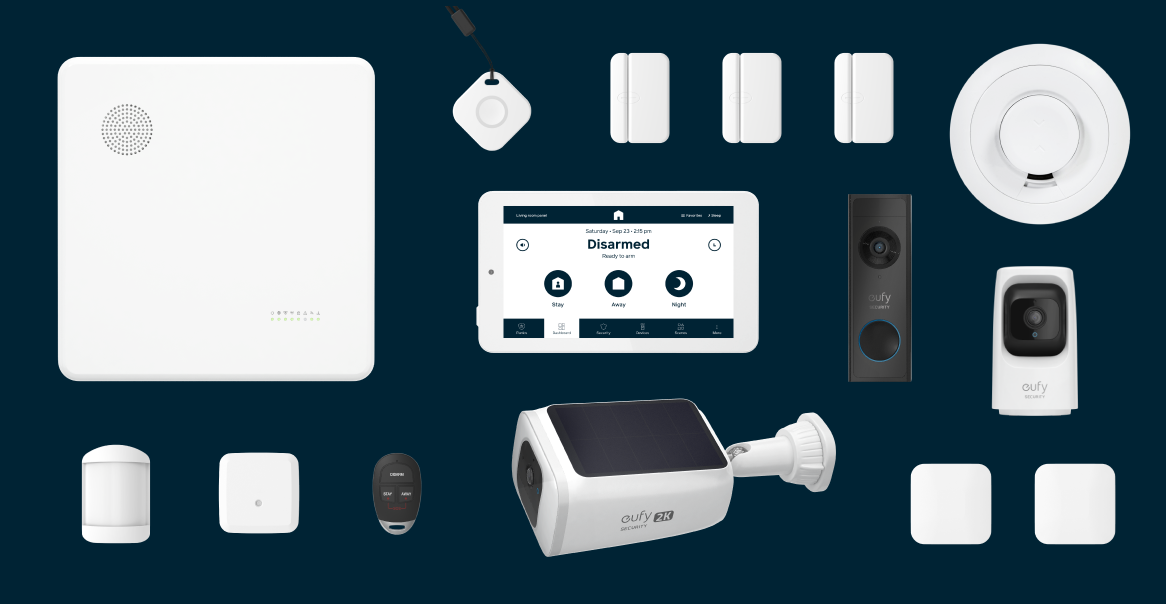
Integrating flood sensors into your home security system adds a critical layer of protection, enabling swift response to potential water-related emergencies. As a leading provider of security solutions, Cove is committed to delivering peace of mind through innovative products tailored to your specific needs. Click below to take our quiz and secure your home and loved ones today.
Ready to get started?
Take this short quiz to build your customized system today!
Takes less than a minute