
Cove is actively dedicating resources to make our site, and our community, more accessible. While we make changes, if you need any assistance accessing the information on this site, please contact us at 855.268.3669 or support@covesmart.com. For those who are deaf or hard of hearing or who do not use voice channels to communicate, please contact us via email or via 711 or other relay services. If you have any feedback or suggestions as to how we could improve the accessibility of our website, please contact us at accessibility@covesmart.com. Please be aware that our site may contain links to other websites, the accessibility of which is not under our control. Please contact us if you run into any difficulties with these sites, and we will do our best to help you.
Accessibility


No one wants to think that an emergency will happen to them. That's why so many people are caught off guard when something catastrophic happens to them. Taking the time now to set up an emergency plan is essnetial to your safety. In this article, we'll give you five tips to get started today.
Why Have a Family Emergency Action Plan?
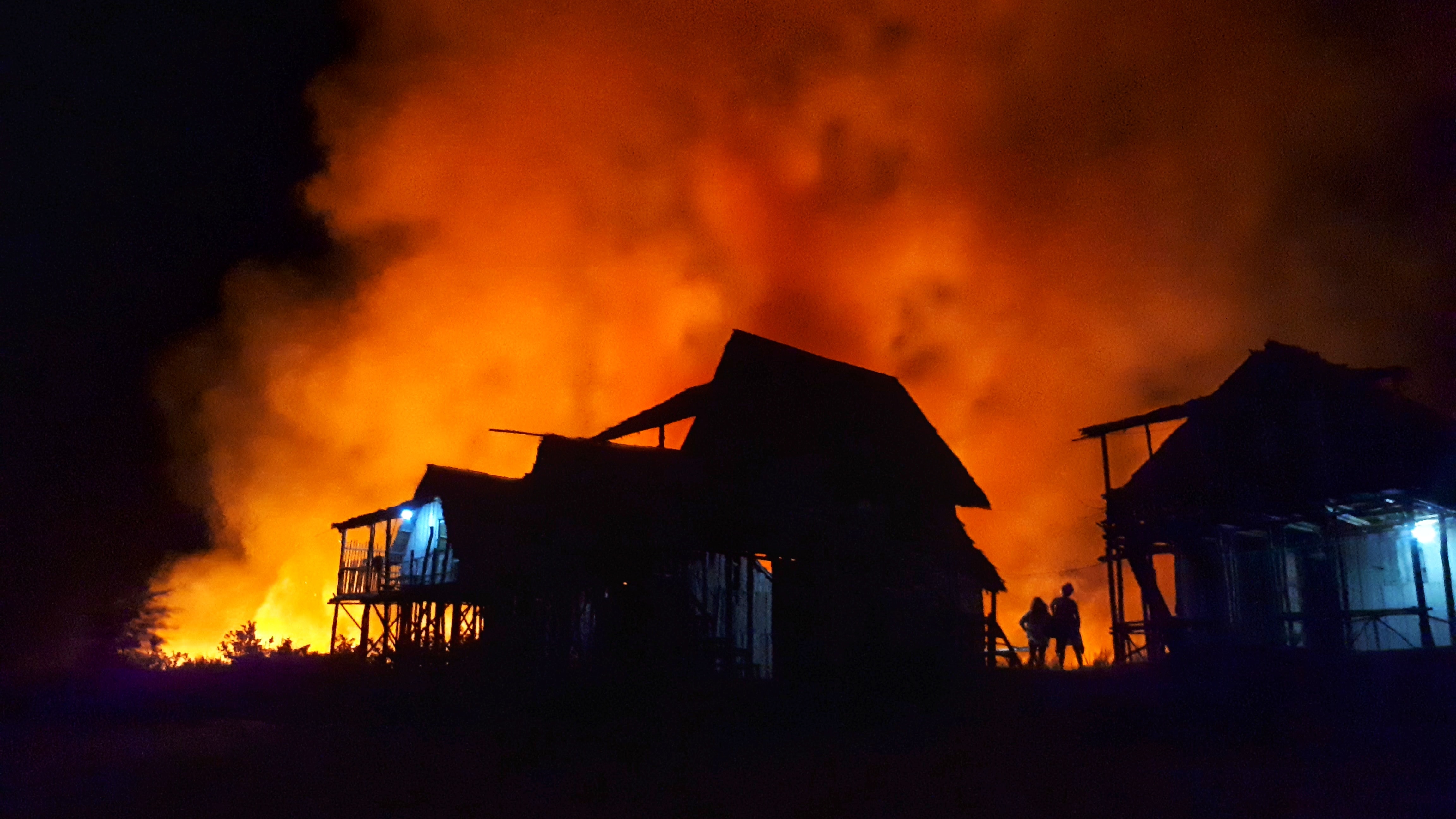
We can’t always predict when something bad is going to happen. Be it an environmental disaster like a tornado, fire, or hurricane, or a pandemic like COVID-19, it’s important to know the proper procedures for dealing with each situation. When circumstances like these arise, if you have a plan in place, you won’t be scrambling for a way to protect yourself, your family, or your business. You’ll know exactly what to do and where to go, and you’ll be able to respond instinctively to the situation.
In what kinds of disasters are emergency response plans most important?
Emergency preparedness is important for all emergencies. Emergency response plans are especially key for situations such as:
- Natural disasters and storms
- Serious injuries
- Long-term power outages
- Pandemics
- Fires
- Home invasion
There are plenty of other emergencies you might want to consider, depending on your location and individual circumstances. The most common home emergencies result from burglary, sickness, fires, floods, or other environmental disasters. You should make sure to familiarize yourself with the disasters that are most likely to occur in your area and then create a plan to deal with each of these disasters.
Tip 1: Download a Family Emergency Action Plan
At Cove, we believe safety is number one. That's why we've made things as easy as possible for you to keep your family safe.
Click here to download Cove's free Family Emergency Action Plan now. Fill it out and get your plan started now.
Tip 2: What should you include in an emergency response checklist?
Emergency response checklists vary based on your location and circumstances. Here are a few things that are always good to include:
-
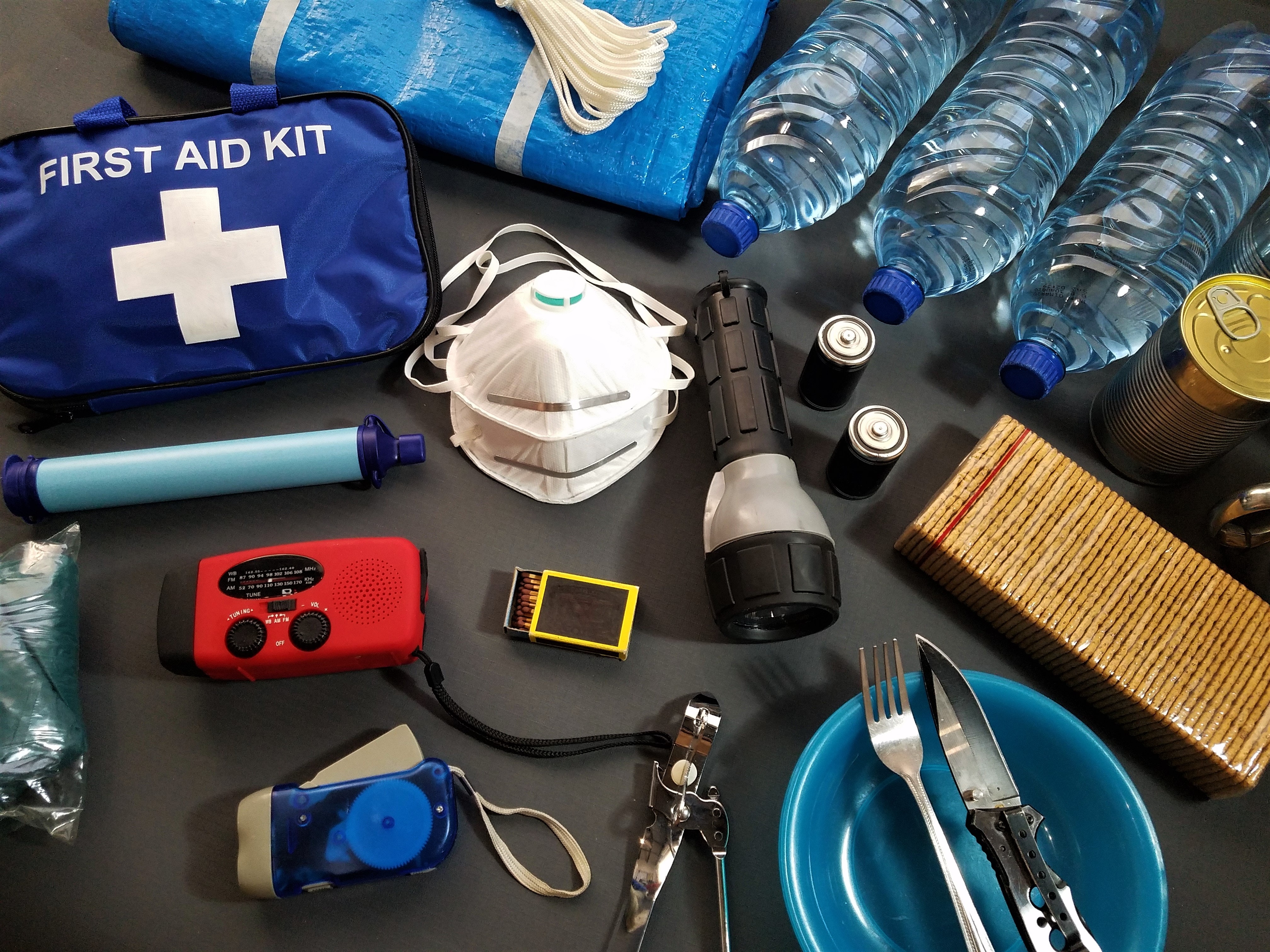
72-hour kit containing first aid supplies, extra phone chargers, battery packs, flashlights, emergency blankets, drinking water, and non-perishable food. The kit should fit in a backpack or similarly sized bag.
-
Cash in small bills, enough to get you to a safe location if needed.
-
Predetermined escape routes from your home for use during a fire or burglary.
-
An established meeting place for your family to find each other if separated.
-
Your car’s gas tank should always be at least half full.
The main items you want to cover in an emergency response checklist include money, transportation, food, communication, and safety. Try to develop a plan that incorporates all of these factors but is adaptable to different emergency situations. For example, you could keep a week’s supply of non-perishable food in a bag in your closet that you can grab if you need to move quickly from your home.

Tip 3: How many emergencies should be included in my plan?
You can include as many emergencies in your plan as you feel are necessary. It’s helpful to include emergency preparedness materials for disasters that are likely to occur in your specific situation. For example, if you live in the Midwest, you’ll want to include tornado safety practices in your plan. If you live in California, tornadoes are less of a problem, but you might want to include plans for a wildfire evacuation.
Tip 4: How do you write an emergency response plan?
To write an emergency plan, you should first decide which emergencies you intend to include in the plan. Discuss this with your family if you have a partner or children. In your plan, you should create sections for each type of emergency. Under each section, create category subsections (for example, physical safety, food, transportation, etc.) List the items and actions you’ll need to take during each scenario. You can look up example response plans online to find proper procedures.
Please note that as part of your emergency action plan, you’ll want to include a list of important phone numbers. On the CDC’s example plan, they include sections for the following emergency phone numbers:
- Fire Department
- Paramedics
- Ambulance
- Police
- Federal Protective Service
- Security
- Building Manager (if applicable)
They also include utility phone numbers in the case of an outage:
- Electric
- Water
- Gas
- Phone
Then they include the emergency procedures for each type of emergency.
Tip 5: What are some examples of a good emergency response plan?
You can create emergency response plans for businesses, schools, and families. Here, you’ll find a quick example of a family emergency plan. This plan assumes that the family lives in California.
Family Emergency Plan
Applicable Phone Numbers
- Mom/Dad/Grandparents
- Fire Department
- Paramedics
- Ambulance
- Police
Wildfire Evacuation Procedures
- Grab 72-hour kits and phones, and meet at the car.
- If you are not at home when we receive the evacuation order, go with whoever is nearby and tell them to drive you to the rec center parking lot. We will meet you there and pick you up.
- Fill up the car with gas if there is sufficient time.
- Once everyone is together, head to our pre-designated evacuation location.
Earthquake Procedures
- If you feel the ground start to shake and are indoors, move under a table. Put your hands over your head and neck and crouch down.
- Do not run outside if you are already indoors.
- When the earthquake is finished, call us immediately to tell us whether you are safe.
- If you are injured, call 911 and then call us. If your phone is not working, whistle loudly or knock on the building. Emergency responders will be trying to find anyone who has been injured.
Pandemic Procedures
- Have two weeks of food, medicine, and supplies on hand at all times.
- Do not leave the house unless necessary. When leaving, wear a mask, unless you are exercising.
- If you feel sick, let us know right away. You will be set up in your room for a few days until you feel better. If it gets serious, you will be taken to the hospital.
This is not a full emergency plan, but it gives you an idea of what to look for as you create your emergency plan.
At Cove, we care about your safety. We hope you’ll download our free Family Emergency Action Plan and take the time to fill it out and send it to your family members.
Interested in taking safety to the next level? Click below to take our quiz and see what equipment we recommend for your home.
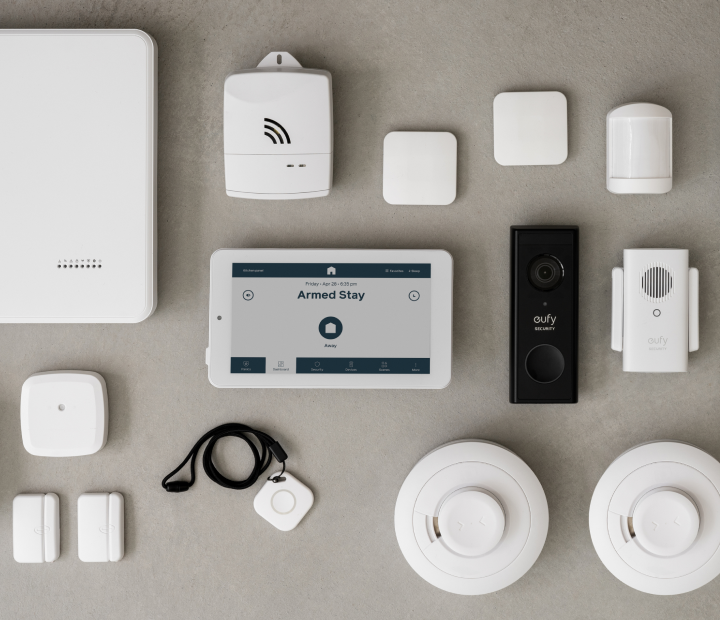
Home security cameras, door and window sensors, smoke detectors, leak detectors, and motion sensors along with Cove's professional monitoring team all work together to keep your home safe.
Ready to get started?
Take this short quiz to build your customized system today!
Takes less than a minute