
Cove is actively dedicating resources to make our site, and our community, more accessible. While we make changes, if you need any assistance accessing the information on this site, please contact us at 855.268.3669 or support@covesmart.com. For those who are deaf or hard of hearing or who do not use voice channels to communicate, please contact us via email or via 711 or other relay services. If you have any feedback or suggestions as to how we could improve the accessibility of our website, please contact us at accessibility@covesmart.com. Please be aware that our site may contain links to other websites, the accessibility of which is not under our control. Please contact us if you run into any difficulties with these sites, and we will do our best to help you.
AccessibilityEnvironmental Safety
, Seasonal Security Tips
5 Things to Do in the First 24 Hours After a Flood
Posted April 17, 2023 by Cove


Nothing dampens your mood like a flood in your home. While water doesn’t often appear to be harmful, large quantities of it can damage your home considerably and even present a danger to you and your family. Floods can be caused by anything from faulty plumbing to a natural disaster to an extra snowy winter or wet spring.
Even if you aren’t currently experiencing flooding conditions, it’s important to be aware of what to do in case of a flooding emergency. Here are five things you should do during the first 24 hours after you’ve been affected by a flood.
1. Safety First
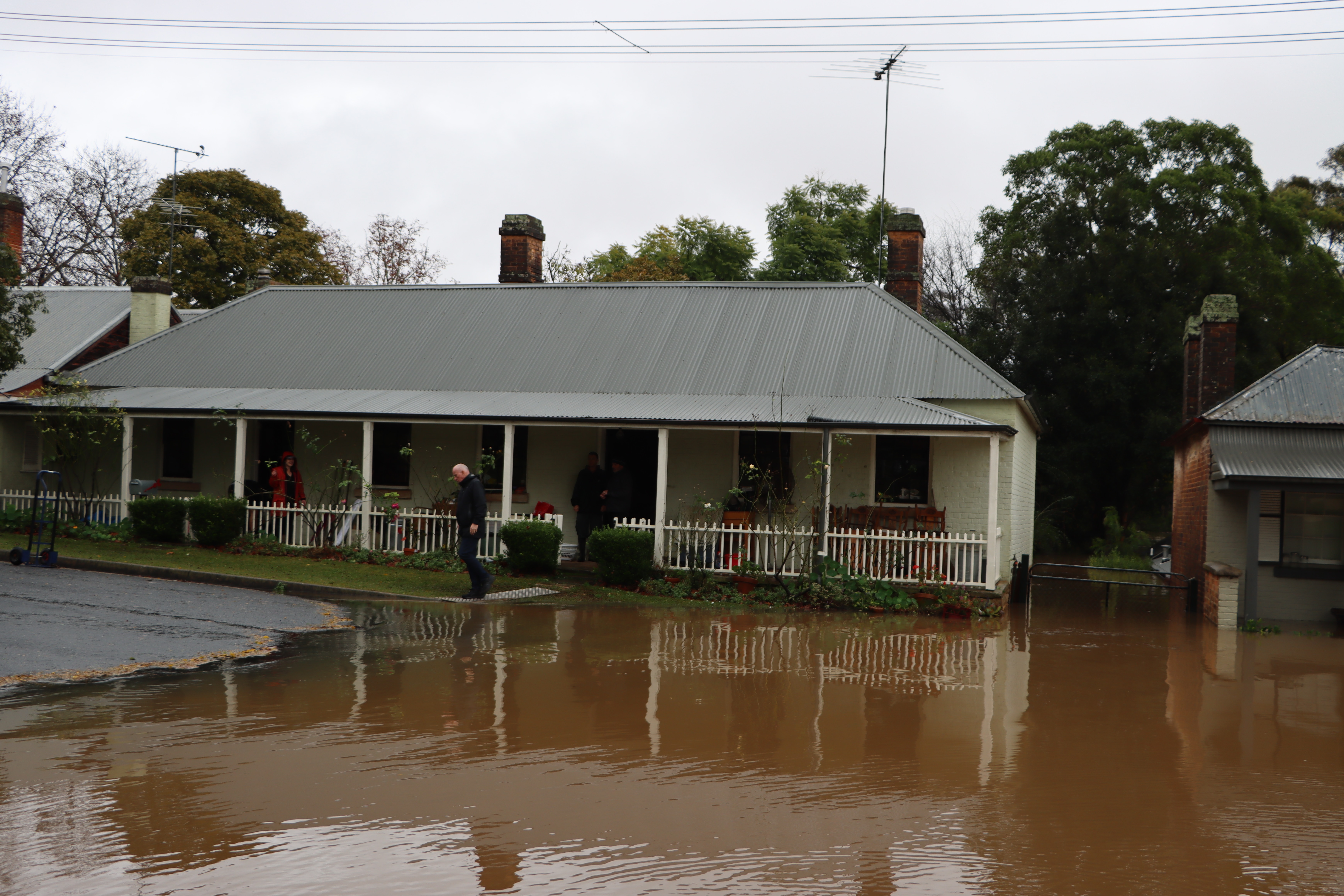
Floods don’t just damage homes, they present huge safety dangers to people. Make sure that if you’ve experienced a flood, you take precautions to stay safe.
Safety should always be your first priority. Flood water can be contaminated with chemicals and sewage. It can also provide hiding places for things like broken glass and live electrical wires. Stepping in standing water that has an electrical current running through it can cause serious injury or even death.
If you had to leave your home, make sure it is safe before you re-enter. Don’t just walk in blindly; take time to carefully evaluate the best course of action for reentering your home. If any electronic devices you own got wet, make sure that you take them to be examined by a professional before you try plugging them in again. Wearing waterproof pants and boots can also help as you traverse your home during flood conditions.

2. Contact Your Insurance Company Before Fixing Anything
Most likely, if you’re experiencing flooding, it isn’t your fault. That means your homeowner’s insurance can come to your rescue, but only if you do your part. While it can be tempting to start the cleaning process right away, make sure you’ve contacted your insurance company first. If you’re not careful with this, your insurance company can overcharge you big time. Make sure you’ve got approval from them before you try to get the water out of your home or before ripping out drywall or carpet.

3. Document Everything
Along with waiting for your insurance company’s approval to remove the water, carefully document the damage so they know the exact extent of the damage to your home. Take loads of photos. The more photos you can take, the more your insurance company can help you. This easy step can help you save tons of money and get your home repaired more quickly. Make sure you take safety precautions while you document the damage to make sure you aren’t injured in the process. If your home is not safe, do not enter to document the damage. Wait until you know it is safe to enter before doing so.
4. Stop the Spread of Mold
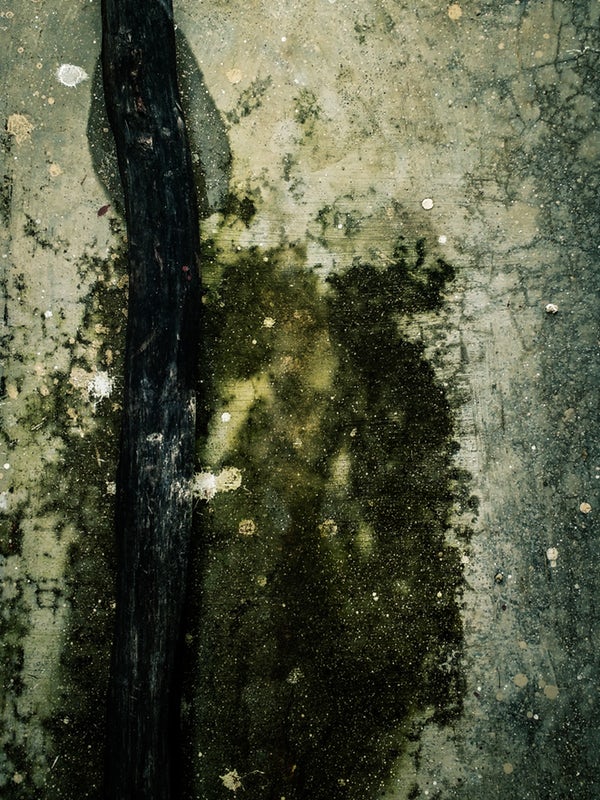
This one is absolutely vital. Mold can begin to spawn after even a short 24 hours after a flood, meaning anything porous isn’t safe for long. Mold can present serious health issues to you and your family, so it’s important that you protect yourself while working to remove mold.
Wear protective clothing and a face mask to keep from getting sick while you work. You’ll have to remove any affected carpet, mattresses, and fabric furniture. Because mold is such a health risk, only keep things that are completely worth their sentimental value to you. It may be difficult to make these decisions, but it will help your family move forward from this point on.
5. Remove Water
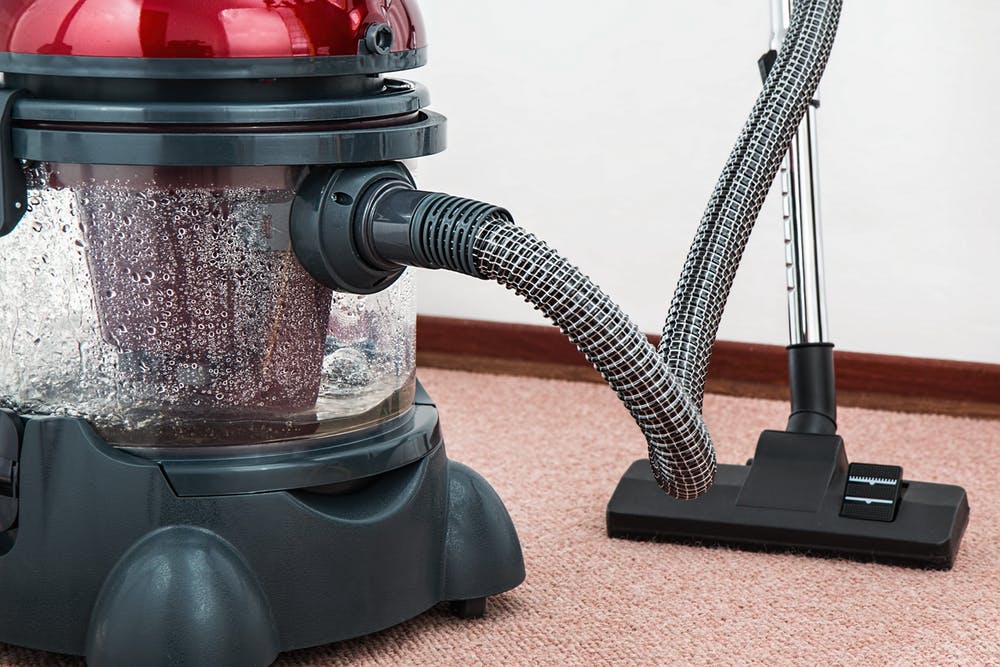
Using a sump pump and a wet vac, remove the water once you’ve gotten the go ahead from your insurance company. Removing the water helps reduce the amount of damage and allows you to get started on repairs quickly.
While no one wants to be the victim of flooding damage, it’s important to know what action to take in case of an emergency. If you’re experiencing a natural disaster, make sure to find out what resources are available to you and always stay safe.
Bonus Tip: Install Flood Sensors
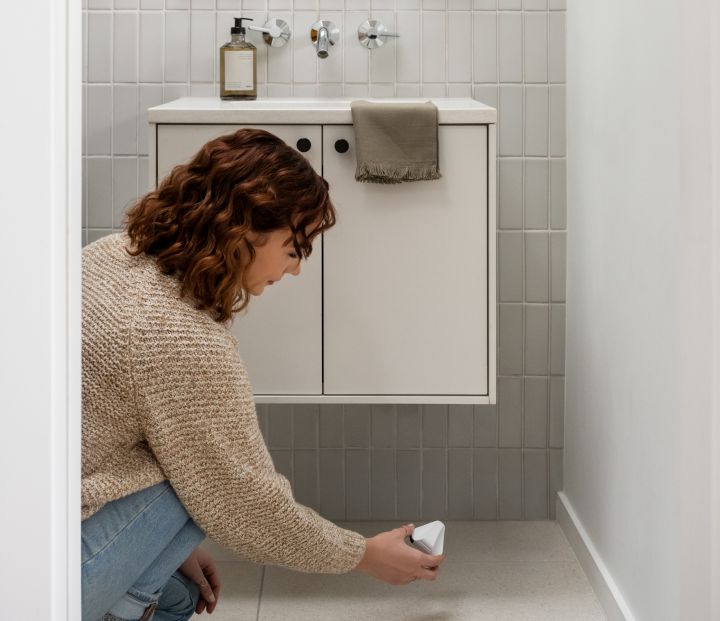
Ideally, you can catch floods before they even happen. While sometimes floods are unavoidable, like in the case of a natural disaster, many that originate inside the home can be prevented.
Leaks from pipes, a dishwasher, machine, toilet, or hot water heater don't have to become floods that damage your home and cause huge headaches with the restoration process. Did you know they can be caught as soon as a few droplets are detected?
Cove's flood sensors catch leaks before they turn into floods. We recommend placing them under sinks, near toilets and how water heaters, as well as washing machines and dishwashers. When connected to a whole home security system, the flood sensors will alert your phone and alarm panel the moment it detects a certain amount of moisture. Interested in learning more? Take our quiz below.
Ready to get started?
Take this short quiz to build your customized system today!
Takes less than a minute