
Cove is actively dedicating resources to make our site, and our community, more accessible. While we make changes, if you need any assistance accessing the information on this site, please contact us at 855.268.3669 or support@covesmart.com. For those who are deaf or hard of hearing or who do not use voice channels to communicate, please contact us via email or via 711 or other relay services. If you have any feedback or suggestions as to how we could improve the accessibility of our website, please contact us at accessibility@covesmart.com. Please be aware that our site may contain links to other websites, the accessibility of which is not under our control. Please contact us if you run into any difficulties with these sites, and we will do our best to help you.
Accessibility


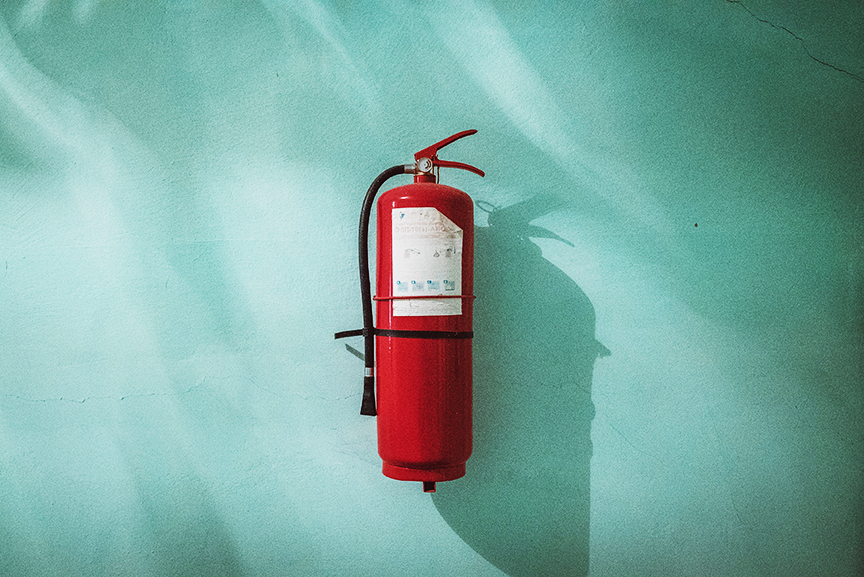
Have you ever used a fire extinguisher? It may seem straightforward to use. After all, the instructions are usually included on the side of the extinguisher.
But the last thing you want to do is stop and read about how to use an extinguisher as a fire starts raging out of control. And if you try using a fire extinguisher improperly, it could be ineffective and even dangerous.
Precious minutes lost trying to figure out how to use it means a fire could spread, and the extinguishing agent can be irritating when in contact with the skin or lungs. Plus, many home fire extinquishers can use up its contents within 10-15 seconds. If not used effectively, then you'll be left with an empty fire extinguisher.
That's why the PASS method was invented: to make it easy to remember how to use a fire extinguisher safely the first time, and every time. That way, when you see a fire, you will quickly be able to grab a fire extinguisher, use the PASS method, and get the fire out before it spreads and causes more damage.
What PASS Stands For And How To Use It
PASS is an acronym that stands for Pull, Aim, Squeeze, Sweep. Do those tasks in order to effectively use a fire extinguisher. Before you get started, always be sure to position yourself between an exit and the fire, so if the fire gets too big, you can exit quickly.
Once you have grabbed the fire extinguisher and are positioned between the fire and an exit, do the following:
PULL out the pin on the top of the fire extinguisher. Make sure to point the nozzle away from you as you pull the pin. Releasing the pin will allow you to discharge the fire extinguisher.
AIM the nozzle at the base of the fire. You want to hit the fuel of the fire, not the actual flames.
SQUEEZE the handle at the top of the canister, or depresses a button that releases the pressurized extinguishing agent in the extinguisher. Make sure to squeeze slowly and evenly so you maintain control.
SWEEP the nozzle back and forth across the base of the fire until the flames are fully extinguished. Start using the extinguisher from a safe distance away, then move forward. Once the fire is out, keep an eye on the area in case it re-ignites.
That's it! We recommend printing the image below and posting it on your fridge. That way, everyone in the household can learn and remember PASS.

Buying a Fire Extinguisher for Your Home
Because there are so many fire extinguishers on the market, it's important to know what type to get for your home.
Types of Fires
Fires are divided into several classes.
-
Class A Fires: These fires are caused by "normal combustibles," or things like paper, wood, and plastic.
-
Class B Fires: These fires are caused by combustible liquids and flammable gases such as hydrogen, gasoline, and propane, among others.
-
Class C Fires: These are electrical fires, often caused by a faulty circuit or a malfunction of some kind of electrical system. These can occur in microwaves and other appliances, as well as fuse boxes.
-
Class D Fires: These fires result from the combustion of metals, including magnesium. The most common reason you might see this kind of fire in your day to day life would be fireworks, which utilize many types of combustible metal for their pretty colors.
-
Class K Fires: These are grease fires caused by cooking oils and other fats, and are pretty common in kitchens.
For additional information on the types of fires that can happen and how to put them out, click here.
Different Types of Extinguishers
Because different combustible materials cause different kinds of fires, extinguishing methods will differ depending on the type of fire. You should always make sure to be using the type of extinguisher that works best for the fire.
There are four main types of fire extinguishers: A, B, C, D. As you might guess from reading above, the type of fire extinguisher corresponds with the type of fire it is putting out.
For Class K fires, you can usually use a Class B extinguisher to put it out. There are also multipulti-purpose extinguishers, which are labelled as AB, ABC, BC, etc., that can be used on multiple types of fires. ABC fire extinguishers are fairly common in apartment complexes.
Be sure to check the label on your fire extinguisher to make sure it is the right kind for what fire is most likely in your home. All canisters should be clearly marked with one or more of the letters listed above.
Where to Keep Fire Extinguishers in Your Home
According to the National Fire Protection Association (NFPA), you should keep a fire extinguishers on every level of your home, including your basement.
Fire extinguishers should be stored where they can be easily accessed, ideally between an exit and spots where fires are most likely, like a kitchen stove or heating unit. The NFPA recommends fire extinguishers be mounted on the wall, the lowest four inches from the floor and the highest five feet from the floor. Make sure everyone can see them for quick access.
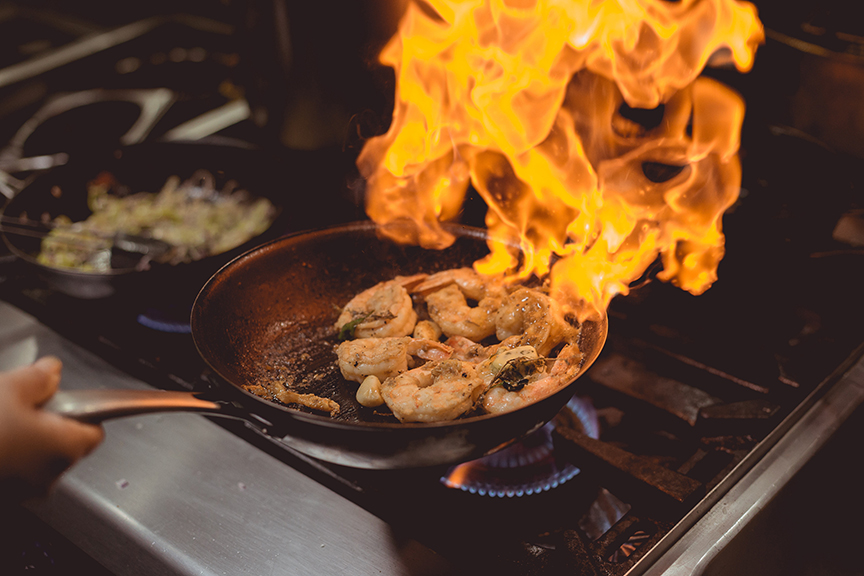
Always Assess the Situation Before Using a Fire Extinguisher
If you experience a small fire in your home, a fire extinguisher could be the best way to get it out. However, it's important to assess the situation. If the fire is too big, then a fire extinguisher will be ineffective. In that case, exit immediately, close any doors to keep the fire as contained as possible, and call 911. It's best to keep yourself and others safe than to battle the fire yourself.
Also, if the fire is of a different class than the extingusher you have, the one you have will most likely be ineffective and your best bet is to exit immediately. Be sure that everyone in the building knows about the fire and are accounted for.
What If You Don't Have an Extinguisher on Hand?
I remember one day as a freshman in college, I had decided to make myself a pan-fried steak. I poured some oil in my frying pan, and turned on the heat on the stove. When I plopped my steak down in the pan, I was dismayed as flames began leaping several feet out of the pan. I couldn't remember where the extinguisher was, so I reached in the cupboard, grabbed the baking soda, and poured it all over the steak, pan, and oil. The baking soda served to smother the fire without spreading it, although my steak was no longer edible. I had a sandwich instead.
Ok, so this is an example of a Class K fire, as it was the oil that had caught fire. Funnily enough, baking soda works quite well to put out fires, as it releases carbon dioxide, which then smothers the fire.
Water can help to put out class A fires, but should not be used for any other fires. Water can actually spread a Class B or Class K fire, and you shouldn't douse electrical appliances in water because of the risk of electrocution.

Be Sure to Have a Home Fire Escape Plan in Place
Every household should have a fire plan in place. A fire plan is what everyone should do in case of a fire. Sit down as a family and go over possible scenarios and talk about how to get to safety. Designate a meeting spot outside some distance from the home or building.
If a fire alarm goes off while you are asleep or you smell smoke from inside your room, you should make sure to test the doorknob with the back of your hand to see if it is safe for you to open the door. If the knob is hot, you should stay in the room, and try instead to exit through the window. The door will serve as a barrier to the fire and smoke, and will give you more time to evacuate through your window.
This is also a good time to dicuss safey precautions. Do you have enough smoke detectors in the house? Have you tested them lately? Do they need new batteries? Another precaution is ladders for basement bedrooms and second-story windows. If you are unsure how to make sure you have the best fire plan in place, contact your local fire department. They would be happy to answer questions.
Check out the NFPA's home fire escape plan tips to get started. If you have children at home, it's a good idea to put the plan to the test to ensure everyone knows all the steps to safety.

Fire Protection Whether You're Home or Away
Perhaps the most important fire safety principle is to catch it early, before it has a chance to spread. This is where smoke alarms come in. Legally, you are required to have a working smoke alarm in your home and workspace. Smoke alarms help detect a fire early, giving you and your family the best possible opportunities to either put the fire out if it's small, or escape to safety as quickly as possible.
Did you know that you can be alerted if there is a fire by phone? With a home security system from Cove, you can add smoke detectors. Perhaps your home already has smoke detectors, but the ones from Cove connect with your home security panel, which connects to your phone and local emergency response. So whether you're home or away, if the smoke detector goes off, you'll be alerted. If you respond that you need help, or if you don't respond at all, fire fighters will be dispatched to your home. Those extra minutes saved could mean the difference between life and death.
How many do you need and how much does it cost? Click below to take our quiz, which will ask how many levels and rooms your home has, and give you recommendations as to what equipment you need to keep your home safe. Paired with professional monitoring at less than $1 per day, you can rest easy knowing you're covered in an emergency.
Ready to get started?
Take this short quiz to build your customized system today!
Takes less than a minute